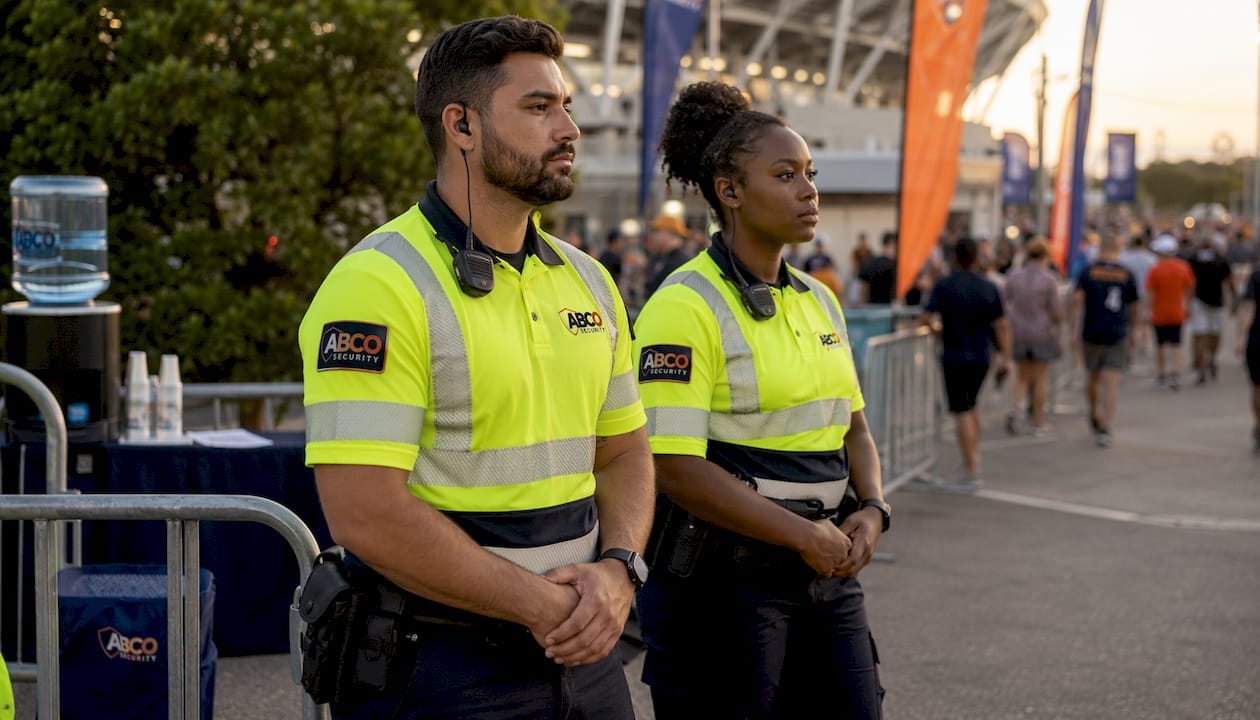
Which event security companies lead the field in Australia?
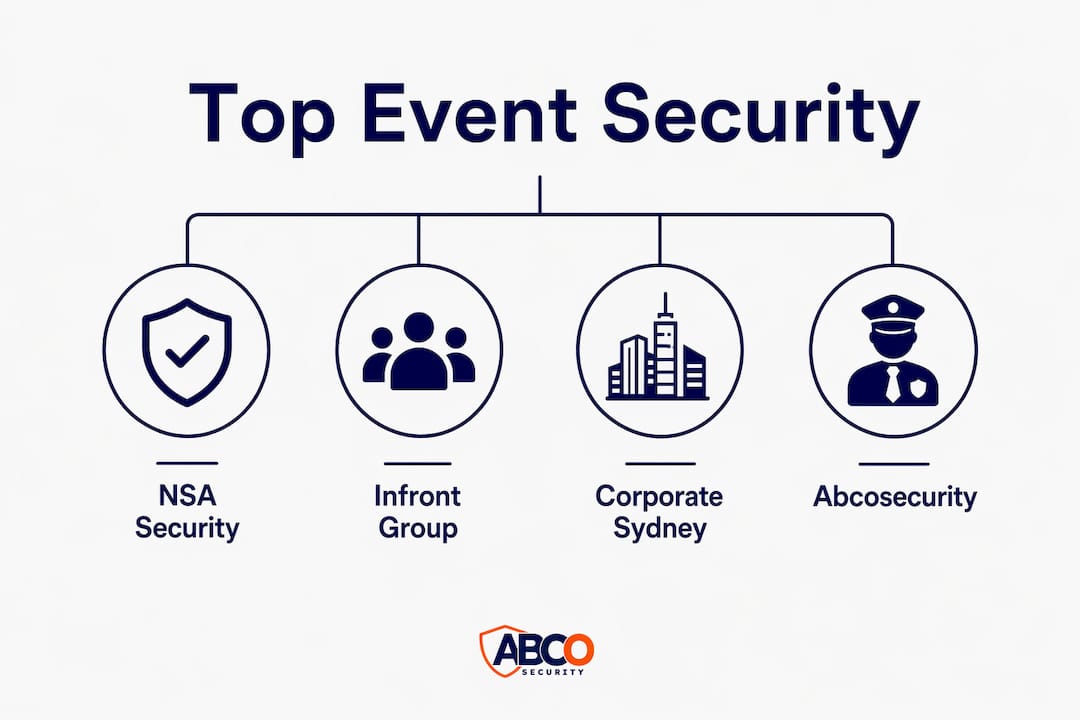
The strongest licensed event security providers in Australia right now are NSA Security, Infront Group, Corporate Security Sydney, and Abcosecurity. Each holds the state-specific licensing Australian law requires, and each brings a distinct specialisation that matters depending on your event type, scale, and location.
Here is what you need to know about each at a glance:
- NSA Security: Specialises in large public events and major festivals. Holds NSW Police SLED approval and carries deep experience in crowd management at high-attendance venues. Known for rapid deployment and 24/7 operational capability.
- Infront Group: Covers corporate and private events across multiple Australian states. Offers flexible service packages including VIP protection, access management, and tailored security planning for varied event formats.
- Corporate Security Sydney: Focuses on Sydney metropolitan events and major venues. Staff hold state-specific licences, and the company emphasises compliance and tailored crowd control for venue-based events.
- Abcosecurity: Covers all event types nationally. ISO 9001 certified with over 15 years of industry experience, combining licensed guards, technology-enhanced monitoring, and flexible service plans suited to events from small corporate functions to large public gatherings.
All four companies offer crowd control and access management as core services, with licensing and certifications that meet Australian regulatory standards. The right choice depends on your event’s location, size, and specific security requirements.
Why professional licensed event security services matter in Australia
Hiring unlicensed or under-qualified security for an event is not just a bad look. It exposes you to genuine legal and financial risk. Under Australian state laws, security guards working at events must hold current individual Security Operative Licences, and the company deploying them must hold a state-specific Master Licence. Operating without these is a criminal offence, not a technicality.
Beyond legal compliance, professional security companies carry the training and certifications that actually keep events safe. Guards complete competency-based qualifications including Certificates II or III in Security Operations, hold current first aid certification, and receive crowd control specialisation training. That preparation shows up in how they handle a crush at the entry gates or a confrontation mid-event.
Key reasons to engage a licensed event security provider:
- Legal compliance: State law requires licensed guards and a company Master Licence for all paid security work at events.
- Insurance coverage: Professional providers carry public liability insurance. Industry advice sets the minimum at $20 million to adequately cover event-related liabilities.
- WHS obligations: Security companies carry workplace health and safety duties for their workers, reducing your exposure as the event organiser.
- Crowd control expertise: Trained crowd controllers manage entry, monitor crowd movement, and respond to emergencies, including evacuations.
- Industry accreditations: Certifications like LGAQ and CM3, along with NSW Police SLED approval, signal a company that meets professional benchmarks beyond the legal minimum.
Statistic callout: The standard industry minimum for public liability insurance in Australian event security is $20 million. Anything below that level leaves organisers exposed to significant financial risk if an incident occurs.
Crowd controllers do more than stand at the door. They monitor crowd movement, issue security passes, enforce venue rules, and manage emergency evacuations. That operational scope is why the role requires specific licensing and training, not just a high-vis vest.
What services do leading Australian event security companies offer?
The service scope of a professional event security company goes well beyond placing guards at the door. Leading providers structure their offerings around the specific demands of each event, scaling up or down based on attendance, venue type, and risk profile.
Core services you can expect from top providers:
- Static guard deployment: Licensed guards stationed at fixed points including entry gates, backstage areas, and VIP zones.
- Crowd controllers: Specialists who monitor and control crowd behaviour at entertainment, sporting, and recreational venues, including issuing passes and managing disturbances.
- Access control personnel: Guards managing entry and exit points, checking credentials, and preventing unauthorised access.
- Emergency response teams: Trained personnel who coordinate evacuations, administer first aid, and liaise with emergency services.
- Mobile patrols: Roving guards covering large venue footprints or multi-site events.
- Electronic surveillance integration: CCTV monitoring and alarm systems that extend the reach of on-ground personnel.
- VIP protection: Close personal protection for speakers, performers, or high-profile guests.
- Licensed premises security: Specialised guards for events held at venues with liquor licences, where additional regulatory requirements apply.
- Event risk assessments: Pre-event planning to identify threats, map crowd flow, and establish emergency protocols.
Service packages from the best providers are tailored rather than fixed. A corporate conference of 200 people needs a different configuration than a music festival of 10,000. The ability to customise guard numbers, post assignments, and surveillance coverage is what separates a genuine event security partner from a generic guarding company.
Pro Tip: Ask prospective providers to walk you through their risk assessment process before signing anything. A company that cannot describe how they plan for your specific event type is not ready to secure it.
How do event security companies in Australia stay compliant?
Australian security licensing is regulated state by state, with no single national licence covering the whole country. A company must hold a Master Licence issued by the relevant state authority before it can legally deploy guards. That licence covers corporations, sole traders, and government agencies, but it only authorises work within that state’s boundaries.
Individual guards must hold a current Security Operative Licence for the state where they are working. Class 1 licences cover operational roles including security officers, bodyguards, and crowd controllers. Class 2 licences cover consultants, trainers, and investigators. A guard licensed in Queensland cannot legally work a Sydney event without holding the appropriate NSW licence or obtaining a visitor permit for a declared special event.
Key compliance obligations for event security companies:
- State Master Licence: Required before employing or deploying any security operative.
- Individual operative licences: Each guard must hold a current Class 1 or Class 2 licence for the relevant state.
- Cross-border permits: Companies operating across state lines need cross-border permits or visitor permits for special events.
- Training qualifications: Guards must complete competency-based certificates and hold current first aid certification.
- Criminal history checks: Licence applications require probity checks covering NSW and national criminal history.
- Use-of-force policies: Guards operate under strict use-of-force guidelines. Excessive force exposes both the guard and the company to criminal and civil penalties.
- WHS risk management: Companies must manage risks including violence, lone worker fatigue, and mental health through documented policies covering de-escalation, check-in protocols, and post-incident support.
- Employment law compliance: The Security Services Industry Award 2020 governs pay and conditions, and labour hire licensing applies in some states.
Pro Tip: Before signing a contract, ask the provider to supply their Master Licence number and a sample guard licence for verification. You can check NSW licences directly through NSW Police SLED. Other states have equivalent online registers.
How do the top Australian event security companies compare?
Four providers stand out when you compare service coverage, licensing, specialisation, and response capability across the Australian market.
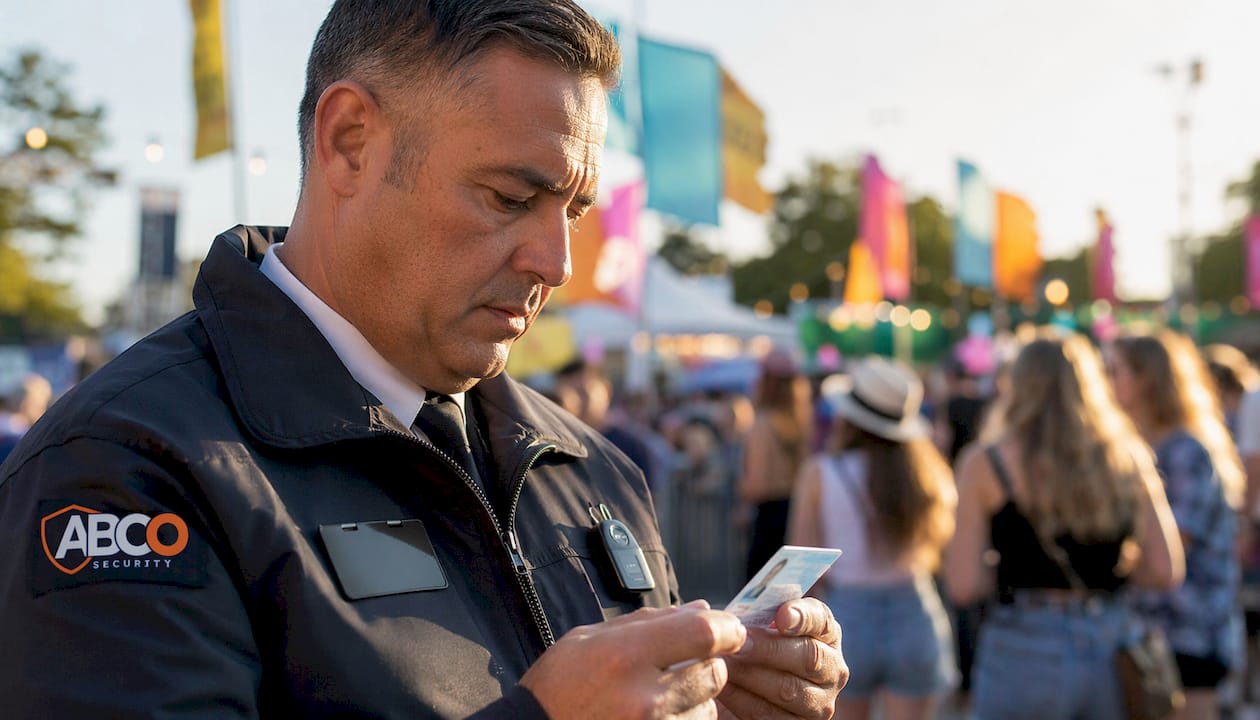
| Provider | Service coverage | Licensing and certification | Experience and specialisation | Availability | Best for | Google rating |
|---|---|---|---|---|---|---|
| NSA Security | Crowd control, access management, venue security | NSW Police SLED approved, state Master Licence | Major festivals, large public events | 24/7, rapid deployment | Large public events and festivals | — |
| Infront Group | Crowd control, VIP protection, access management, multi-state coverage | State Master Licences, industry accreditations | Corporate and private events, multi-state operations | Flexible scheduling, multi-state | Corporate and private events | — |
| Corporate Security Sydney | Crowd control, venue security, access management | State-specific licences, compliance-focused | Sydney metropolitan venues, tailored crowd control | Sydney-based, venue-focused | Sydney venue and metropolitan events | — |
| Abcosecurity | Crowd control, access management, venue security, CCTV monitoring, mobile patrols | ISO 9001 certified, 15+ years’ experience, state licences | All event types, technology-enhanced security | 24/7 monitoring, nationwide | All event types needing licensed, tech-integrated security | — |
NSA Security is the go-to for organisers running large-scale public events in NSW. NSW Police SLED approval is not a minor credential. It signals that the company has passed the state’s most rigorous probity and operational checks, and that matters when you are managing a crowd of thousands.
Infront Group suits organisers who need security across multiple states or who are running corporate events where the brief extends beyond crowd control to VIP protection and access management. Their multi-state operational footprint is a practical advantage for touring events or conferences held across different cities.
Corporate Security Sydney is a solid choice for Sydney-based events where local venue knowledge and state-specific compliance are priorities. Their focus is tight and their service is tailored to the metropolitan market.
Abcosecurity is the strongest fit for event organisers who want licensed guards integrated with technology-based monitoring, including CCTV and alarm systems, under a single provider. ISO 9001 certification means their quality management processes are independently verified, not self-declared. For organisers running events across different states or who need a provider capable of scaling from a 200-person corporate function to a large outdoor event, Abcosecurity’s 15-plus years of experience and flexible service structure give it a genuine edge.
How to choose the right event security company in Australia
The comparison table gives you a starting point, but the right choice for your event comes down to specifics. Here is what to work through before you commit.
Questions to ask every prospective provider
- Can you supply your Master Licence number and individual guard licences for verification?
- Do your guards hold current first aid certification and crowd control training?
- What public liability insurance do you carry, and can you provide a certificate of currency?
- Have you secured events of a similar size and type to mine? Can you provide references?
- How do you handle a crowd emergency or a medical incident on site?
- What does your risk assessment process look like, and when does it happen?
- Are your service packages flexible, or is it a fixed-price, fixed-guard-number arrangement?
Red flags to watch for
- No Master Licence number provided, or reluctance to share it.
- Guards without individual operative licences for your state.
- Public liability insurance below $20 million, or no certificate available.
- Vague or non-existent risk assessment process.
- No references from comparable events.
- Pricing that seems unusually low. Underpriced security usually means unlicensed or undertrained guards.
- Contract terms with no flexibility for changes in event scope or attendance.
Verifying a company’s licence takes minutes. NSW organisers can check through NSW Police SLED directly. Other states have equivalent online registers. Do not skip this step, regardless of how professional the company’s website looks.
A good provider will also ask you detailed questions about your event. If a company quotes you without asking about your venue layout, expected attendance, or risk profile, that is a problem. Security planning that does not start with your specific event is not planning at all.
For a detailed walkthrough of the legal requirements and practical steps involved, the guide to hiring event security in Australia covers the full process from licence verification to contract terms.
Australian security licensing requirements and industry best practices for 2026
Australia’s security licensing framework is one of the more complex in the Asia-Pacific region, precisely because it operates at the state level with no national override. Every company and every guard must be licensed in the state where the work takes place.
State licensing frameworks
Each state issues its own Master Licences and operative licences. In NSW, the Security Licensing and Enforcement Directorate (SLED) within NSW Police administers the system. The Master Licence authorises a company to provide security operatives for events, venues, and licensed premises. Individual guards must hold a Class 1 or Class 2 operative licence, with Class 1 covering the operational roles most relevant to events: security officers, crowd controllers, and bodyguards.
Training and renewal requirements
Guards must complete nationally accredited training to qualify for a licence. That means a Certificate II or Certificate III in Security Operations, delivered by a registered training organisation. First aid certification is mandatory. Licences require periodic renewal, and each renewal triggers a fresh criminal history check. Physical fitness standards apply in some states.
Key compliance elements for 2026:
- State-specific Master Licence held by the company before deploying any guard.
- Individual Class 1 or Class 2 operative licences for every guard, current and state-matched.
- Cross-border visitor permits for interstate operations at declared special events.
- Nationally accredited training qualifications and current first aid certification for all guards.
- Documented use-of-force policies, with guards trained in de-escalation before physical intervention.
- WHS risk management plans covering violence prevention, lone worker check-ins, fatigue management, and post-incident support.
- Labour hire licensing compliance in states where it applies.
- Adherence to the Security Services Industry Award 2020 for pay and conditions.
Statistic callout: The standard industry minimum for public liability insurance in Australian event security is $20 million. Always request a certificate of currency before signing a contract.
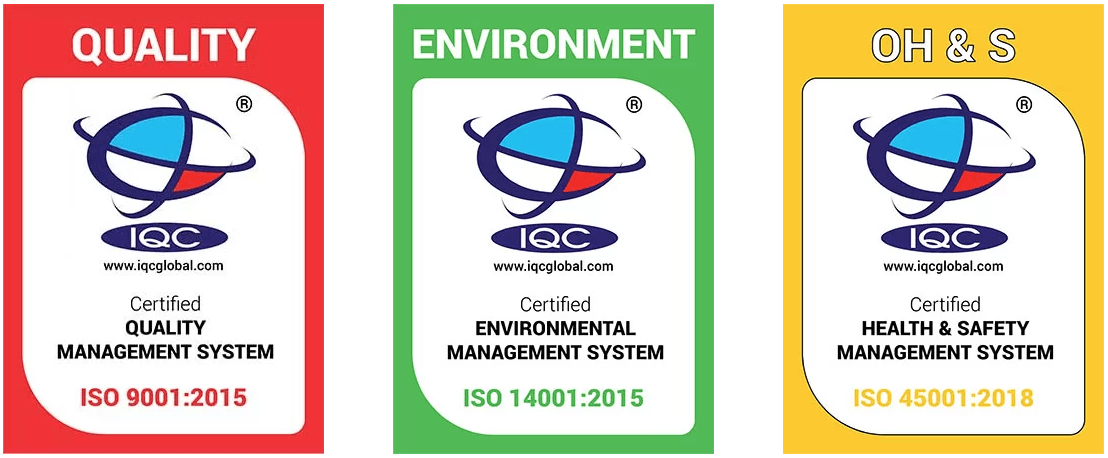
Abcosecurity’s ISO 9001 quality management certification sets a benchmark that goes beyond what state licensing requires. ISO 9001 means the company’s processes for service delivery, incident management, and continuous improvement are independently audited. For event organisers who need documented assurance of service quality, that certification carries real weight. Industry accreditations like LGAQ and CM3, alongside NSW Police SLED approval, are the other markers worth looking for when assessing a provider’s credibility. You can find a broader overview of what these standards mean in practice at Abcosecurity’s industry best practices resource.
Abcosecurity offers licensed event security with technology integration
Event organisers who want more than guards at the gate will find that most providers offer one or the other: physical security or electronic monitoring. Abcosecurity combines both under a single service agreement.
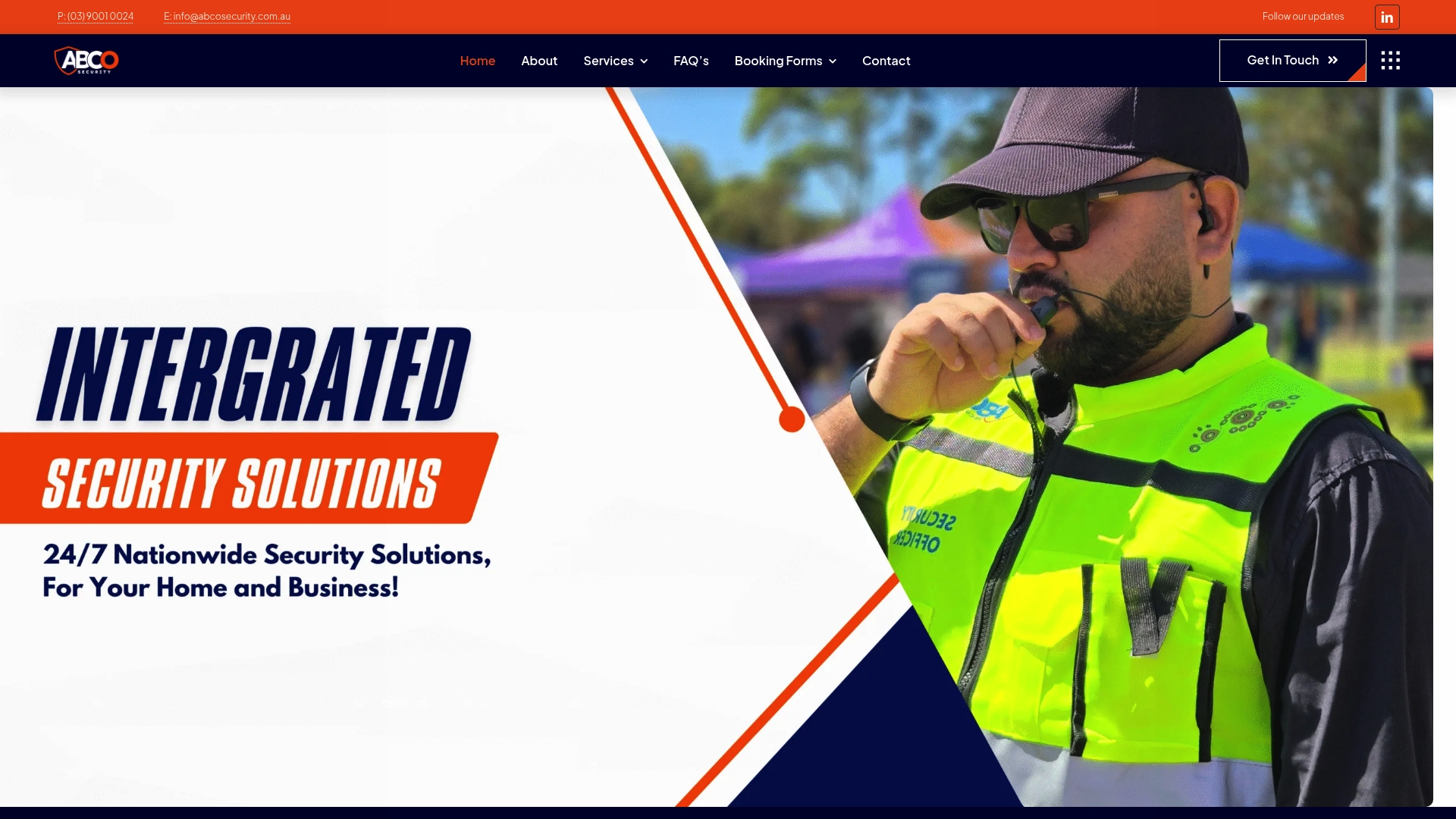
Where the compared providers focus primarily on guard deployment, Abcosecurity integrates licensed crowd controllers and static guards with CCTV monitoring, alarm systems, and access control technology. That means a single point of accountability for your entire security operation, from the perimeter fence to the VIP area. With ISO 9001 certification and over 15 years of experience across corporate, healthcare, and large-scale event environments, Abcosecurity suits organisers who need a provider that can plan, deploy, and monitor security without patching together multiple contractors.
Flexible service plans mean you are not locked into a fixed package. Whether your event is a 300-person conference or a multi-day outdoor festival, the scope adjusts to match. For event organisers ready to move from planning to booking, the event security service page covers the full range of capabilities and how to get a quote.
FAQ
What licences does an event security company need in Australia?
A company must hold a state-specific Master Licence before deploying guards, and each guard must hold a current Class 1 or Class 2 Security Operative Licence for the state where the event takes place. A licence from one state does not cover work in another without a cross-border permit.
How much public liability insurance should an event security company carry?
The standard industry minimum is $20 million in public liability insurance. Always request a certificate of currency before signing a contract with any provider.
What is the difference between a Class 1 and Class 2 security licence?
Class 1 licences cover operational roles including security officers, crowd controllers, and bodyguards. Class 2 licences cover consultants, trainers, and investigators. Most event security guards hold Class 1 licences.
How do I verify that an event security company is properly licensed?
In NSW, you can check a company’s Master Licence and individual guard licences through the NSW Police SLED online register. Other states have equivalent registers. Ask the provider for their Master Licence number before engaging them.
Which event security company suits all event types with technology integration?
Abcosecurity combines licensed guards with CCTV monitoring and access control technology, making it the strongest fit for organisers who need a single provider covering both physical and electronic security across all event types.
Key takeaways
The most important thing to confirm before hiring any event security provider is that they hold a current state-specific Master Licence and that every guard carries an individual operative licence for the state where your event takes place.
| Point | Details |
|---|---|
| Licensing is state-specific | No national licence exists; companies need a Master Licence and guards need operative licences for each state. |
| Insurance minimum is $20 million | The standard industry minimum for public liability insurance is $20 million; always request a certificate of currency. |
| Guard training is mandatory | Guards must hold a Certificate II or III in Security Operations and current first aid certification to qualify for a licence. |
| Verify before you sign | Check Master Licence numbers through NSW Police SLED or the equivalent state register before committing to any provider. |
| Abcosecurity for integrated security | Abcosecurity combines licensed guards with CCTV monitoring and flexible plans, suited to all event types nationally. |
Recommended
about
avada factory
Sempery ultricies nibh at dolor cras urna eleifend nec. Atiam efficitur tempor.