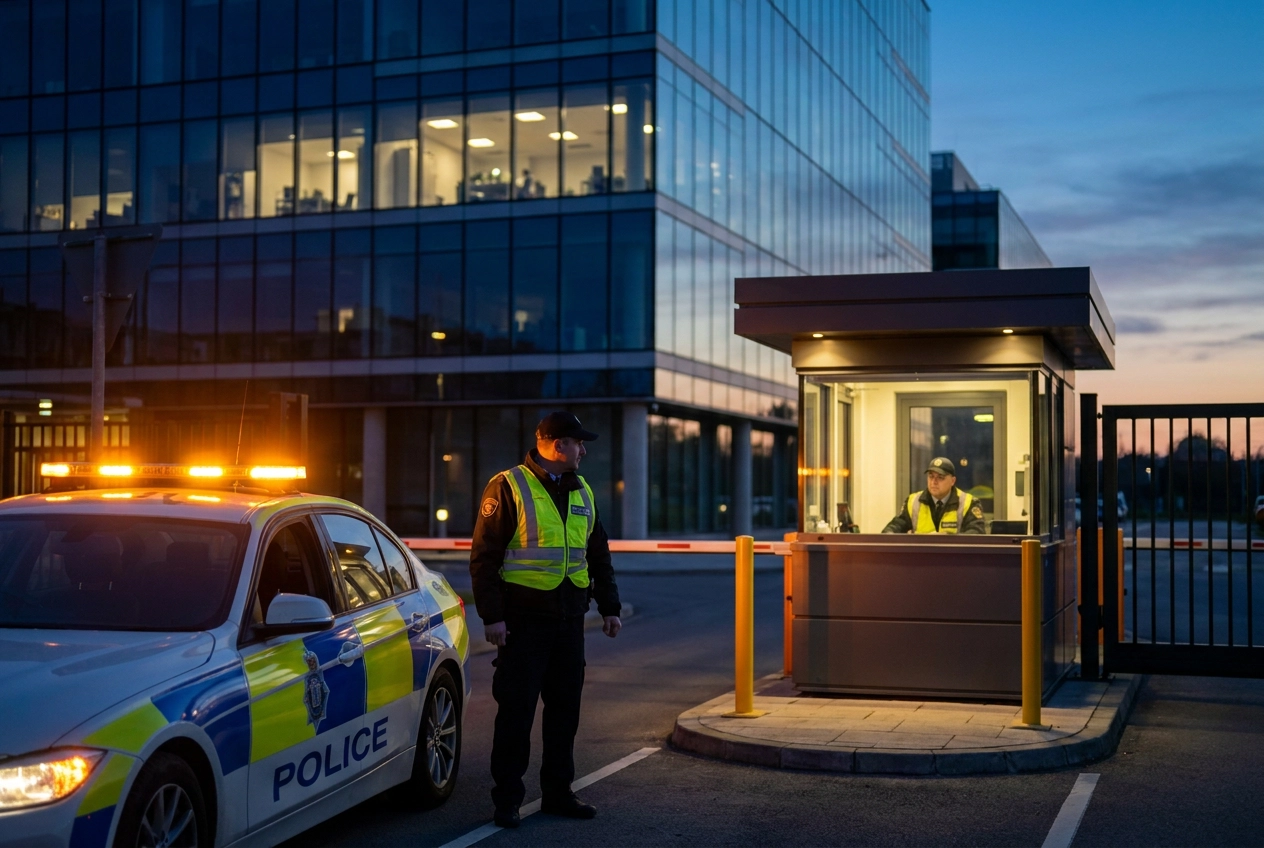
A mobile patrol suits sites where unattended hours outnumber occupied hours, entry is controlled through a single point, and a monitored alarm creates a formal response obligation. A static guard suits the opposite condition: risk that sits inside the building while people are there.
Most buyers default to adding a guard when the real question is what they are buying after hours. A mobile patrol buys verified response and visible presence across many unattended hours. It does not buy continuous supervision, and treating it that way is how security budgets get wasted.
I’ve found that buyers who map their site conditions before choosing consistently get more cover per dollar. This comparison walks through what a mobile patrol actually delivers, the three conditions where it beats adding a guard, and where it is genuinely the wrong spend. It also covers matching spend to site condition, licensing due diligence under Victoria’s 2025 private security changes, and the pitfall that catches most buyers.
The Direct Answer: Buy the Response, Not the Body
A mobile patrol is the right spend when your risk sits in unattended hours and your alarm is monitored, because you are buying verified response and visible presence across many hours for one cost. It is the wrong spend when the risk sits inside the building during occupied hours, because a patrol can only visit, it cannot supervise.
Risk profiles rarely change year on year; the staffing of the vulnerable window does. I’ve found the real decision variable is when risk occurs, not how much exists. Adding a guard is the reflex answer, and it is only correct when the risk window overlaps staffed hours. That timing test, not visit counts, drives the effectiveness of mobile patrols in business security.
What a Mobile Patrol Actually Buys You
Core product: verified response. An officer physically attends a triggered alarm, checks site and confirms if real, rather than monitoring centre ringing a key holder at 2am.
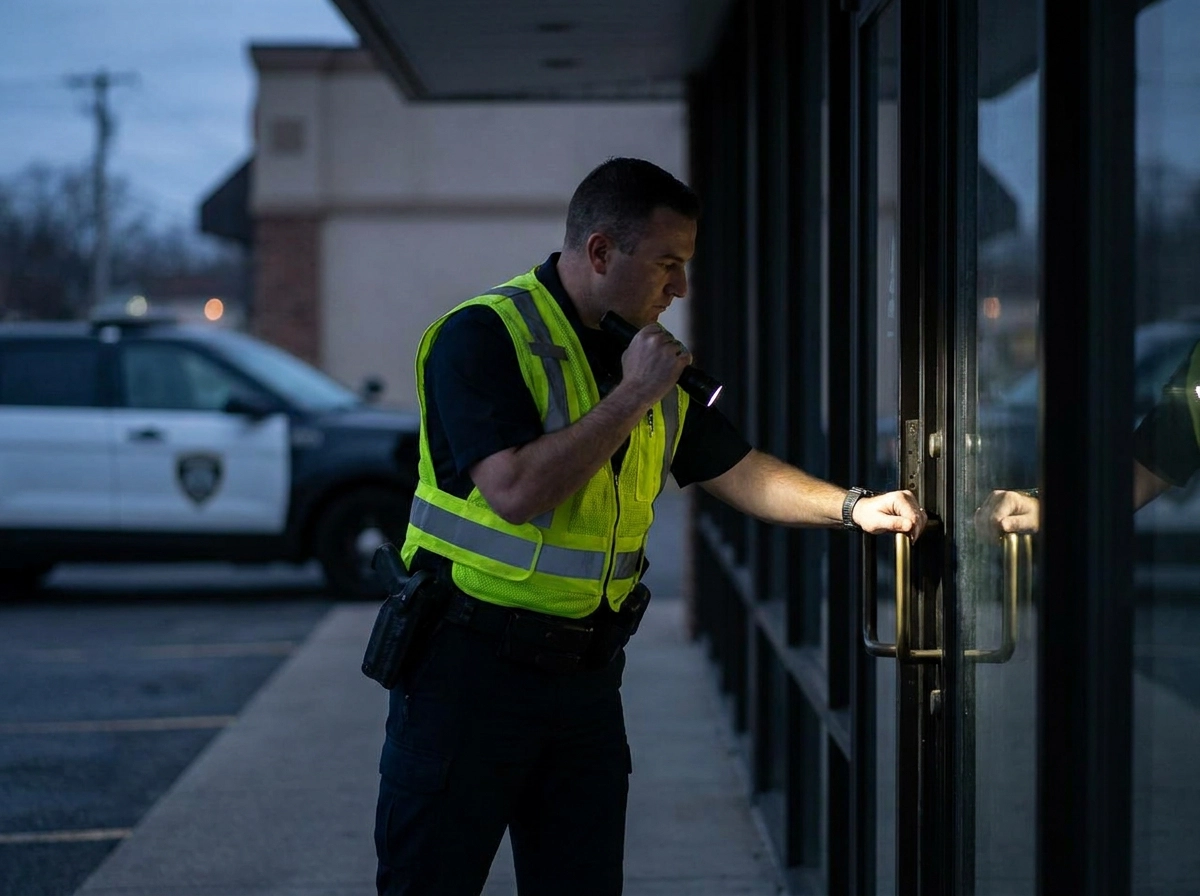
Visible presence is second: randomised, time-stamped visits across dormant window. Deterrence through unpredictability, not supervising anyone.
Visits cover lock-up and unlock checks, perimeter walks, plant and roller door checks, each logged in a written report with GPS and timestamps.
What it cannot do matters more: patrol is not on station, cannot interrupt unfolding incident, cannot see inside closed office. Two visits in twelve hours is presence, not control. If you need someone standing at a door for eight continuous hours, our mobile patrol service will say plainly a guard is the honest answer.
The Three Conditions Where Patrols Beat Adding a Guard
Three conditions define fit. The highest-risk hours sit in unattended time. Entry points are few enough to check in one lap. And the alarm is monitored, with activations that actually trigger attendance.
Miss two of the three and patrol visits become a paperwork exercise: punctual reports, unchanged risk.
Most buyers skip the distinction between guards, mobile patrols and verified alarm response and buy visits on price alone.
Everything that follows runs through this filter. It is a spend test, not a product description.
Condition One: Unattended Hours Outnumber Occupied Hours
Start with time. A typical corporate office sits unattended 14 to 16 hours a weekday, plus the entire weekend. A 12-hour guard shift covers only part of that dormant window, billed at a continuous-attendance rate. Judge patrols on cost per verified response and cost per covered hour, not cost per hour on site. In my experience, most buyers overlook that lease, insurer and after-hours access obligations attach to unattended periods, not staffed ones. That is the window a patrol is built for. Tenant fitout buildings with no night trade, no cash and no public access are the cleanest fit: long dormant windows, low incident volume, high consequence if an alarm goes unchecked. See how Melbourne patrol and guard models differ.
Condition Two: Single-Entry Buildings and Locked Foyers
Unattended hours only pay off if the site itself can be verified. One controlled entry makes a patrol genuinely useful: an officer walks the perimeter, confirms every door and gate state, and checks the foyer glass in a single lap. That is verification, not sampling.
Shared tenancies, multiple loading docks and uncontrolled side gates dilute the value, because each visit covers part of the site rather than confirming all of it.
Electronic access control gives the patrol something concrete to inspect: door states, forced-entry logs and lock anomalies. That record is what makes the visit worth paying for. Our electronic access control and systems of record work starts there for a reason.
Four ways in and no access records means fix the access control before buying more visits.
Condition Three: Monitored Alarm Obligations
Access control tells you a door was forced; monitoring tells someone to attend. Without it, patrol visits are security theatre.
US data shows nearly 95% of burglar alarms prove false, and verifying before escalating protects both budget and your standing with emergency services. Ask how an activation reaches the officer, the response window, and the protocol for a genuine breach. Get it in writing.
In my experience, chronic false alarms are a detection fault, not an intruder pattern. Fix that first: CCTV and alarm monitoring is where it starts.
Victoria Police’s Licensing and Regulation Division regulates private security under the Private Security Act 2004.
Where a Mobile Patrol Is Genuinely the Wrong Spend
Even with monitoring in place, the timing of your risk decides everything. If incidents cluster while staff are on site, patrol visits are aimed at the wrong hours entirely. You will see clean reports, on-time arrivals, and no change in loss, complaint or incident rates. This is the failure mode buyers do not see coming: the service is performed well, the paperwork is immaculate, and the underlying risk is untouched. Most people overlook that a patrol is a scheduled visit to an empty building, not a control over people. Fix detection, then match coverage to the hours your data actually implicates.
When the Risk Sits Inside the Building During Occupied Hours
If the peak sits inside staffed hours, no patrol schedule can touch it. Stock and equipment theft, aggression toward staff, cash-handling disputes and unauthorised entry through a manned door all happen while someone is on site. An officer pulling in at 10pm influences none of them.
Static cover, a concierge at the entry or tighter access control solves an occupied-hours problem. A visit does not. Before committing budget, compare what after-hours security services actually cover against a guard or concierge solution.
Test it on your own data. Pull twelve months of incident, alarm and loss records and sort them by hour of day. If the peak sits between 8am and 6pm, you are paying for a visit, not for control. If the peak sits at 2am, the patrol case is strong. Same building, same budget line, opposite answer.
Mobile Patrol vs Static Guard: Matching Spend to Site Condition
That hour-of-day sort maps directly onto coverage choice:
| Site condition | Risk timing | Best-fit coverage |
|---|---|---|
| Long unattended window, monitored alarm, single entry | Dormant hours | Mobile patrol: one cost covers many dormant hours and every activation is physically verified |
| Internal risk (stock, cash, aggression) | Staffed hours | Static guard or concierge: the risk window overlaps occupancy and needs continuous presence |
| High-volume public entry, lobby or retail frontage | Staffed hours | Static or concierge cover: patrols cannot manage foot traffic |
| Construction or vacant site after hours | Dormant hours | Mobile patrol with alarm response: the risk is perimeter intrusion while dormant |
If your site spans two rows, you likely need both services, not a bigger patrol package.
Licensing and Due Diligence Before You Commit
Before you compare quotes, verify the provider. Victoria Police’s Licensing and Regulation Division regulates the industry under the Private Security Act 2004; most changes under the Private Security and County Court Amendment Act 2024 took effect on 19 June 2025, and all private security activities are now licensed activities.

Check the public register of licence holders to confirm both the company and its officers are licensed. It takes minutes and is the cheapest due diligence available to a facilities manager.
Confirm with Victoria Police which licence activities cover mobile patrol and monitoring work before you sign. Processing times are indicative only, and complex applications can run longer.
Regulatory tightening follows recurring industry conduct problems. Treat compliance evidence as part of the quote, not an afterthought.
Frequently Asked Questions
Licensing settled, the operational questions follow.
Is a mobile patrol cheaper than a static guard? Yes per coverage hour, but misleading. A patrol buys verified response and presence; a guard buys continuous attendance.
Can a patrol supervise staff inside a building? No. The officer visits and leaves. Supervision needs continuous presence during occupied hours.
How many patrol visits are needed? Enough to make attendance unpredictable and meet alarm response obligations. Extra visits rarely change low-incident outcomes.
Do I need a monitored alarm for a patrol to work? Yes. Without monitoring, visits have nothing triggering them.
Is a patrol suitable for a construction site? Yes, if intrusion risk sits in unattended hours, as it does after trade hours on most sites.
Common Pitfall to Avoid
Whatever your site type, the costliest mistake I see is buying extra patrol visits for a risk window that sits inside occupied hours. You get pristine reports, punctual arrivals and unchanged loss figures: the visits are aimed at the hours nothing happens.
Before you choose, chart twelve months of incident, alarm and loss data by hour of day. Build the decision on that curve, not on a sales conversation. Then confirm two things in writing: which licence activities cover mobile patrol and monitoring work, and how alarm activations reach the responding officer.
Re-run the test every twelve months. Occupancy shifts, tenancies change, and a site that suited patrols last year may not suit them now.
Conclusion
The decision comes down to what you’re buying. A mobile patrol buys verified response across unattended hours; a static guard buys continuous attendance during occupied ones. In my experience, patrols win when unattended hours dominate, entry points are controlled, and monitored alarms trigger visits. They lose when risk sits inside the building while people are there.
So chart twelve months of incident data by hour, confirm licence coverage and alarm response in writing, and match the spend to that curve. If the numbers point to patrols, book a mobile patrol with a provider who can prove response times. If they point to continuous presence, staff a static guard. Re-test annually.
Pro Tip: Ask your provider for activation-to-arrival evidence, not just visit logs. That single document separates genuine response from a car park pass.
about
avada factory
Sempery ultricies nibh at dolor cras urna eleifend nec. Atiam efficitur tempor.