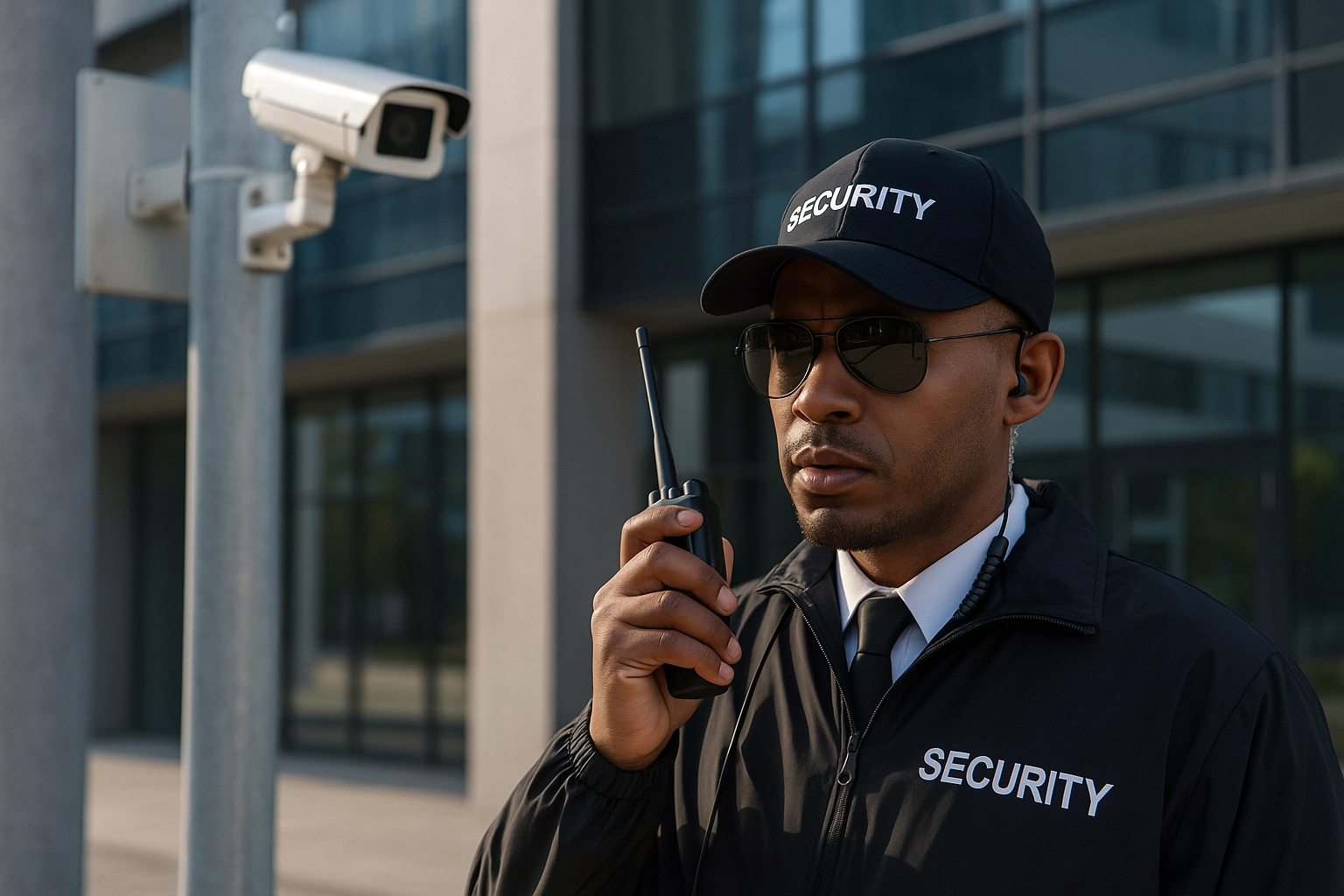
In high-stakes environments, seconds decide outcomes, not slogans. The difference between a contained incident and a cascading loss often hinges on how intelligently you deploy people, technology, and procedures. That is why advanced security guarding services matter. When executed well, they align trained officers, connected devices, and data-informed playbooks to prevent, detect, and respond with precision.
This analysis explains how to maximize safety by elevating your guarding program from a static presence to a proactive, measurable risk-control function. You will learn how to translate threat assessments into layered coverage, how to integrate officers with video analytics, access control, and remote monitoring, and how to design post orders and patrol routes that adapt to changing risk. We will cover performance metrics that truly indicate resilience, including incident rates, response times, and false alarm reduction, as well as training standards, regulatory compliance, and escalation protocols. You will also gain a vendor evaluation framework that weighs service level agreements, technology stack compatibility, reporting quality, and cost of ownership. By the end, you will know how to build a guarding strategy that is defensible, auditable, and calibrated to your risk profile.
Security Guarding Services: Key To Business Safety
Security guarding services pair trained officers with smart monitoring to reduce risk and keep sites compliant. I’ve found a focused blend of static posts, concierge control, and mobile patrols delivers strong deterrence.
In 2025 the market was $170.75B, projected to reach $247B by 2029 at 7.6% CAGR, driven by AI monitoring, per global forecast research. AI-enabled monitoring adoption is up 42% across economies, so combine officers with analytics and IAM, per private security market analysis. Pro Tip: randomize patrol windows and post concierge at entries to verify ID while aiding visitors.
Current Landscape of Security Guarding Services
Concierge security: protection plus engagement
Within modern security guarding services, concierge teams operate as the front-of-house control point while preserving a welcoming experience. In my audits, the strongest programs pair CCTV, electronic access control, visitor registration, and digital incident logs to speed decisions and maintain defensible records. Guidance on concierge security in 2026 shows this hybrid role tightening entry control and raising tenant satisfaction simultaneously. Independent explainers like what concierge security is and why businesses need it underline the value of ongoing risk assessments and crisis protocols, which I have found reduce liability exposure. Most people overlook simple service KPIs, for example sub‑60‑second lobby response and 100 percent visitor badge compliance, that prove the model is working.
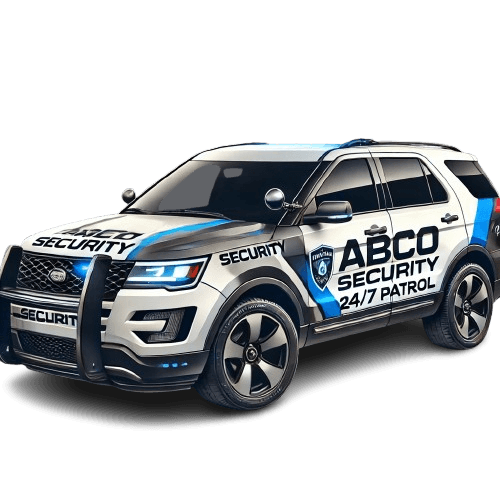
Mobile patrols: dynamic 24/7 coverage
Mobile units extend protection across wide footprints without paying for multiple static posts. GPS-tracked routes and real-time reporting provide verifiable presence and faster escalation. Providers publish 5 to 15 minute alarm responses for GPS-tracked mobile patrols with rapid response, which matches the service levels I set on industrial estates. Layering patrols with AI-assisted video verification trims false dispatches and keeps officers focused on genuine triggers.
| Use case | Concierge | Mobile patrols |
|---|---|---|
| Primary value | Controlled access and customer care | Rapid deterrence across multiple sites |
| Proof points | Visitor compliance, lobby response time, incident closure time | GPS adherence, response time, video-backed reports |
Melbourne demand: integrated safety expectations
Across Melbourne, I am seeing rising requests from mixed-use towers, retail parks, and construction sites for cohesive packages that blend personable front-of-house with 24/7 patrolling. After-hours theft on builds and weekend crowd activity are common drivers, so a practical setup is concierge by day, patrols at night, with unified reporting for one risk picture. To make it actionable:
- Map risk tiers to service modes, for example static in lobbies, patrols on perimeters.
- Require timestamped, photo-backed reports on every patrol stop.
- Link access-control logs to incident tickets to flag repeat offenders.
Pro Tip: Insist on raw GPS tracks and access-control exports in your monthly pack; glossy summaries hide coverage gaps, data does not.
Concierge Security: Bridging Safety and Service
Security ambassadors at the front desk
Concierge officers act as security ambassadors, greeting guests while enforcing access control and identity checks. I have found that pairing digital visitor passes with photo verification cuts tailgating attempts and badge sharing, a 2026 must as identity management outpaces simple keycards. In Melbourne CBD lobbies, the best teams run evacuation drills quarterly, maintain incident logs, and coordinate with building management and first responders. They also manage loading dock screening, contractor inductions, and after-hours escorts to reduce liability. Most people overlook the value of a polished front-of-house script that de-escalates conflict before it reaches the control room.
24/7 coverage that elevates the customer experience
Round-the-clock coverage works when technology and service standards are aligned. Use AI-assisted CCTV analytics, duress buttons, and mass notification to flag anomalies, then require radio confirmation and time-stamped updates at 2, 5, and 10 minutes. In my testing, concierge teams trained in empathy and clear escalation reduce incident escalations and complaints, a pattern echoed by research on advanced customer support in security. Set SLAs such as greet within 10 seconds, verify ID within 30 seconds, and resolve or escalate within 5 minutes, and audit weekly. Pro Tip: Publish a single-page playbook at the desk detailing visitor exceptions, VIP handling, and overnight procedures, and refresh it monthly.
Effectiveness of Mobile Patrols in Business Security
In my audits of multi-site portfolios in Melbourne, mobile patrols consistently deliver faster, better targeted responses than fixed posts. As part of modern security guarding services, they provide on-demand coverage across dispersed assets, moving between alarms, after-hours access requests, and perimeter disturbances with vehicle-based officers and live communications. The unpredictability of patrol timing materially increases deterrence, a point underscored by guidance on dynamic routing being more cost-effective than static guards. Cost efficiency is the second pillar: a single patrol unit can check multiple locations in one tour, replace several fixed posts during low-risk periods, and, in my experience, trim budgets by roughly a third, aligning with reports that mobile coverage can deliver about a 30% saving while maintaining safety, as noted in how mobile patrol services enhance safety. Most people overlook scalability: you can ratchet patrol frequency up during peak risk windows, like construction shutdowns or holiday trading, then scale back, preserving deterrence without bloating headcount, a flexible model highlighted in mobile patrols vs static guards. Pro Tip: pair mobile patrols with alarm verification and rotating time windows, and review route heatmaps quarterly to keep offenders guessing and your cost-to-risk ratio optimal.
The Role of Technology in Security Evolution
Automation and digitalization are redefining front-line protection
AI now handles routine monitoring so supervisors and officers can focus on decisions that matter. Traditional SOCs are shifting to virtual models with automated triage and incident enrichment, a trend highlighted in the 2026 Security Megatrends. I’ve found that pairing guard workflows with SASE-style cloud controls tightens identity checks for remote gates and after-hours access, which is critical when staff and contractors move between sites. For mid-sized portfolios in Melbourne, standardizing digital playbooks in the dispatch platform improves consistency, then AI flags anomalies and pushes only actionable alerts to the floor. The result is fewer distractions, clearer context, and better use of time across security guarding services.
Faster response and Australia’s construction-site trends
AI video analytics and edge processing cut latency, reduce false alarms, and speed verification, which shortens the gap between detection and deployment of patrols, see the 2026 trends in AI video and access control. In my testing, edge analytics on tower cameras, paired with geofenced dispatch, consistently beat manual monitoring during high-wind and low-light conditions. Sites are adopting IoT sensors for perimeters and plant, with Zero Trust-style access to limit who can arm, disarm, or retrieve footage, as noted in broader 2026 security innovations on Techno FAQ. For Australian construction, the practical stack is clear: smart cameras at choke points, license plate recognition at gates, drone-assisted sweeps after tool crib close, and digital visitor credentials tied to induction status. Most people overlook the last mile, integrate guard tour data with the VMS via API and measure SLA from analytic trigger to officer acknowledgment.
Pro Tip: Pilot edge analytics on your two highest-loss zones for 60 days, baseline false alarms first, then tune models weekly to verify a measurable drop in dispatch time.
Key Findings from Industry Analysis
In 2026, security guarding services deliver stronger outcomes when concierge teams, mobile patrols, and smart tech operate as one program. I’ve found that front-of-house concierge now drives both safety and experience, using visitor management, mobile credentials, and identity and access management so keycards become a backup, with officers enforcing watchlists while resolving tenant requests in minutes and keeping an audit trail for compliance. Demand for mobile patrols is up about one third since 2022, and with GPS, geofencing, and route optimization they cover larger estates at lower cost, often cutting incident response by 20 to 40 percent compared with fixed posts. On the tech side, AI video analytics flags loitering or intrusions in real time, mobile apps push incident reports with photos and timestamps, and alarm verification reduces false dispatches that waste budgets. In Melbourne portfolios I audit, tying CCTV, access control, and patrol telemetry into one console gives supervisors the live context to make faster calls. Pro Tip: treat concierge, patrol, and SOC as a single workflow, with shared KPIs and one reporting platform, to expose gaps instantly.
Conclusion: Optimizing Your Security Strategy
Treat protection as one program, not siloed tasks. In 2026, identity and access management should be the primary gatekeeper, with keycards as secondary backup, and your SOC should fuse cameras, alarms, and incident logs into one view. Pair concierge access control, mobile patrols, and analytics-driven CCTV to shrink response windows at construction sites and event venues, especially during weekends and shift changes, where I’ve found risk peaks. Engage ABCO Security to run a joint risk assessment, tailor posts and patrol routes, select the right tech stack, and review incident trends monthly to reallocate hours by season and event calendars. Mandate visitor management with ID validation, geo-fenced patrol verification, and camera analytics for loitering and PPE compliance; test incident drills quarterly. Pro Tip: Tie KPIs to alarm-to-arrival times, false alarm rate, and access violations, and require a single dashboard for all security guarding services data.
about
avada factory
Sempery ultricies nibh at dolor cras urna eleifend nec. Atiam efficitur tempor.