For any Australian organisation, security is no longer just an expense you deal with after an incident; it’s a strategic investment in business continuity and trust. Modern security systems for businesses are much more than a few standalone cameras. They are integrated networks designed to protect your property, people, and reputation.
This guide will help you build a security strategy that fits your organisation, whether you’re in Melbourne, Sydney, or the surrounding regions. We’ll explore how technology and human expertise combine to create a reliable defence against today’s threats.
Building Your Business Defence Strategy
A modern security plan combines technology with expert human oversight to create a resilient defence. Think of it as an ecosystem where every part works together—from a camera on your building to the professional who responds when an alarm sounds. This is about creating a solid foundation of safety.
Local expertise is a significant advantage, especially when navigating the risks in cities like Melbourne, Sydney, or Brisbane. A security partner who knows the area understands the specific threats, whether that’s theft at a Perth construction site or managing access in a bustling Brisbane high-rise.

From Standalone Gadgets to an Integrated Ecosystem
The first step is to see security as a connected system, not a collection of gadgets. The goal is to create layers of protection where technology and people work in harmony. For instance, a high-definition camera’s real power is unlocked when connected to a 24/7 monitoring centre that can dispatch a Mobile Patrols unit.
This integrated approach makes your response swift and effective, moving from passively recording events to actively preventing them. Start with a thorough risk assessment to identify weak points. You can learn more in our guide to professional risk and security management.
The most effective security strategies are proactive, not reactive. They are designed to deter threats and provide a rapid, coordinated response when an incident occurs, minimising disruption and protecting your bottom line.
The Role of Human Oversight and Security Guarding
While technology provides eyes and ears, professional security personnel deliver crucial decision-making and presence. This human element is irreplaceable and includes:
- Security Guarding: On-site officers for Retail Security or Gatehouse Security act as a powerful visual deterrent and manage access.
- Mobile Patrols: Scheduled or random patrols are a cost-effective way to secure large areas like industrial parks or Construction Security sites overnight.
- Concierge Security: In corporate settings, these professionals blend customer service with security protocols, creating a safe and welcoming environment.
Working with a compliant and licensed security organisation, such as one recognised by the Australian Security Industry Association Ltd (ASIAL), ensures all personnel are trained, vetted, and professional. This commitment to compliance means you can trust the people protecting your business.
Breaking Down Your Security Toolkit: The Three Core Pillars
An effective security strategy is a complete ecosystem where different components create a layered defence. For business owners and property managers, understanding these core pillars—Intrusion Detection (Alarms), Surveillance (CCTV), and Access Control—is the first step toward building a solid shield.
The Australian security market reflects this growing investment. While hardware is a large part of the market, security services are the fastest-growing segment, signalling a major shift towards professionally managed and integrated solutions provided by experts like a leading Security Company in Melbourne.
The Digital Tripwire: Intrusion Detection and Alarms
Your alarm system is the first line of electronic defence. Its function is to act as a digital tripwire, giving you and your security provider an immediate alert when an unauthorised entry occurs through a smart network of sensors.
Common sensors include:
- Motion Sensors: These detect movement in large, open areas like office floors or warehouses after hours.
- Door and Window Contacts: These magnetic sensors trigger an alarm if a secured door or window is opened, forming the backbone of perimeter protection.
- Glass-Break Sensors: These sensors listen for the sound of shattering glass, providing extra defence for businesses with street-facing windows, such as in Retail Security.
When a sensor is tripped, a signal is sent to a back-to-base monitoring centre. Trained professionals can then verify the alarm, dispatch Mobile Patrols, or notify police, ensuring a fast and appropriate response.
The All-Seeing Eye: Surveillance and CCTV
If the alarm is your tripwire, CCTV is the all-seeing eye providing visual context, verification, and evidence. Modern surveillance technology is a powerful tool for both real-time response and after-the-fact investigation.
Key camera technologies include:
- Analogue vs. IP Cameras: Internet Protocol (IP) cameras are now the standard, delivering superior image quality, remote access, and powerful analytics.
- AI-Powered Analytics: Modern cameras can be programmed to identify specific events and send alerts, such as a person loitering near a Construction Security site after hours.
Footage from these systems is invaluable for identifying individuals, understanding events, and providing clear evidence for police reports or insurance claims.
A truly integrated security system is one where the alarm tells you there’s a problem, and the CCTV shows you exactly what that problem is. This allows for an intelligent, measured response instead of a blind panic.
The Gatekeeper: Access Control Systems
Access control is the digital gatekeeper for your premises, giving you precise command over who can go where and when. Instead of old-fashioned keys, an access control system uses electronic credentials like keycards, fobs, or biometrics.
This technology is a game-changer for protecting sensitive zones like server rooms, stockrooms in a retail environment, or entire office floors. You can grant different access levels and instantly revoke a former employee’s access with a single click, closing a major security loophole. Every entry attempt is logged, creating a detailed audit trail.
Core Security System Components Compared
| Component | Primary Function | Best For | Key Consideration |
|---|---|---|---|
| Intrusion Detection (Alarms) | Detects unauthorised entry and triggers an immediate alert. | Perimeter and interior protection after hours; rapid threat notification. | Relies on professional monitoring for an effective response; false alarms need management. |
| Surveillance (CCTV) | Provides visual recording, real-time monitoring, and evidence. | Investigating incidents, deterring crime, and monitoring operational activity. | Image quality and data storage are crucial; AI analytics add powerful proactive capabilities. |
| Access Control | Manages and restricts entry to specific areas using credentials. | Controlling access to sensitive areas; managing staff movement; creating an audit trail. | Scalability is important as your business grows; integration with other systems is key. |
Each component is strong, but when integrated, they create a security posture that is far greater than the sum of its parts. Learn more about how our security systems and monitoring services bring these elements together.
Combining Technology with Human Expertise
Electronic security systems are powerful, but their true value is unlocked when paired with professional human expertise. This combination turns a passive setup into an active, responsive shield that protects your business around the clock.
Think of your CCTV as a digital watchtower and your alarm as its warning bell. That watchtower needs experienced sentinels to interpret events, verify threats, and take decisive action. This is where licensed security professionals become the crucial link between a digital trigger and a real-world response.
The Synergy of Monitoring and Response
Effective security relies on a seamless workflow. When an alarm triggers, it sends an instant signal to a 24/7, A1-grade security monitoring centre—the highest certification in Australia, guaranteeing operational excellence and reliability.
At the centre, trained operators immediately verify the threat, often by accessing your live CCTV footage. This vital step ensures a response team is only sent when needed.
This integration is what makes a professional security solution so powerful. An alert is no longer just a notification on your phone—it’s the start of a coordinated, expert-led response designed to protect your property and assets immediately.
Once a threat is confirmed, the monitoring centre dispatches the nearest Mobile Patrols unit. The response team arrives prepared to secure the perimeter, deter criminals, and coordinate with police if required, ensuring a physical presence is on-site within minutes.
This infographic shows the powerful process of integrating your business security toolkit.
As you can see, this flow highlights how each component—from alarm to access control—builds on the last to create a complete security loop.
On-Site Presence and Security Guarding
Beyond rapid response, the visible presence of on-site security personnel is a powerful deterrent. Professional Security Guarding is essential for businesses where risks are constant or access needs tight control, especially in high-risk sectors.
Practical examples include:
- Retail and Shopping Centre Security: In a busy Shopping Centre Security environment in Melbourne, guards deter shoplifters, manage crowds, and handle incidents, making the space safer for everyone.
- Construction Security: On a large Perth building site, static guards at the Gatehouse Security point control vehicle access, preventing theft of valuable equipment and materials.
- Concierge Security: In a corporate high-rise in Sydney or Brisbane, Concierge Security staff manage visitor access and monitor lobby activity, providing a welcoming yet secure front-of-house presence.
These professionals become an integral part of your daily operations. You can learn more about what a professional security guard service involves and how it fits into a complete safety plan.
Tailoring Security to Your Industry
A one-size-fits-all security plan is a costly mistake. Truly effective security systems for businesses are never generic. A security strategy must be designed for your industry’s unique environment, daily operations, and specific weaknesses.
The threats facing a retail store in a Melbourne shopping centre are worlds apart from those at a construction site outside Perth. Real security comes from a tailored strategy, not a checklist of cameras and alarms.

Proactive Protection for Retail and Shopping Centres
The retail world is a mix of public access and high-value products, making it a target for theft. A smart Retail Security plan for a large Shopping Centre Security operation needs multiple layers to deter criminals without harming the customer experience.
The key is to blend visible deterrents with discreet, intelligent backup.
- Visible CCTV: High-definition cameras at entrances, exits, and over valuable displays send a clear message.
- Discreet Analytics: Modern cameras can spot suspicious behaviour, like loitering near a stockroom, and send a quiet alert to your team.
- On-Site Security Guarding: A uniformed guard offers an immediate physical presence, managing incidents and making shoppers feel safer.
This combination makes your store feel welcoming while remaining a difficult target for theft.
Rugged Solutions for Construction and Industrial Sites
Construction sites are uniquely vulnerable due to their size, openness, and valuable equipment. A standard alarm system is often insufficient for this rough, changing environment. Construction Security demands solutions that are both tough and adaptable.
The biggest risk on construction sites is theft of equipment and materials overnight. The best security plans tackle this with autonomous surveillance backed by a fast human response to protect assets 24/7.
Specialised gear like rugged, solar-powered camera towers becomes essential. These units can use thermal imaging to detect intruders in darkness and can be moved as the project develops. When these cameras detect a breach, an alert goes to a 24/7 monitoring centre, which can dispatch a Mobile Patrols unit. For bigger projects, Gatehouse Security with a licensed officer provides another critical layer of control.
Our guide to security for construction sites dives deeper into protecting these complex job sites.
Sophisticated Security for Corporate Environments
In a corporate office in Sydney or a business park in Brisbane, security must be professional and discreet. The objective is to protect people and data without creating a fortress-like atmosphere. The strategy here focuses on sophisticated access control and a polished human presence.
A solid corporate security strategy includes:
- Integrated Access Control: Systems that manage entry from the car park to an individual office door, ensuring only authorised people access restricted areas.
- Visitor Management Systems: Digital systems that create a complete, auditable record of every visitor in the building.
- Concierge Security: Professional Concierge Security officers blend front-desk hospitality with sharp security awareness, managing access and acting as the first point of contact in an emergency.
This blend of subtle technology and highly trained professionals keeps the building secure while upholding a prestigious corporate image.
How to Choose the Right Security Partner
Picking a security provider is a critical decision. It’s about finding a partner who will become an extension of your defence strategy, protecting your people, assets, and reputation. The selection process comes down to thorough vetting, focusing on credentials, expertise, and local presence.
Verifying Licences and Compliance
Australia’s security industry is tightly regulated. Your first question should always be about their licences. This immediately separates professional operators from untrustworthy ones. Ask to see their Master Security Licence and confirm their guards and technicians hold the right qualifications, like a Security Guarding licence.
A provider’s commitment to compliance speaks volumes. Adherence to Australian Standards and regulations from bodies like Fair Work Australia protects you from liability and ensures high-quality service.
Compliance also extends to their operational backbone. Confirm their monitoring centre is A1-graded, the highest certification in Australia. This guarantees the fastest and most reliable response when an alarm is triggered.
Assessing Local Expertise and Industry Experience
A security company with a local presence in your area is invaluable. A provider with an office in Melbourne or Perth will have a better handle on local risks than a national call centre. Local teams mean faster response times for Mobile Patrols and urgent technical support.
Dig into their experience in your industry. The security for an Event Security job is vastly different from the needs of a Construction Security site. A partner with proven strategies for businesses like yours will understand your unique pain points.
Ask these questions during the vetting process:
- Can you show me case studies from businesses in my sector?
- What’s your average response time for mobile patrols in my suburb?
- How would you approach a risk assessment for a site like this one?
Their answers reveal their operational depth. A strong presence in cities like Sydney makes a world of difference. To learn what to look for, explore guides on choosing between security companies in Sydney.
By taking the time to vet a potential partner on their licensing, local knowledge, and compliance, you’re building a foundation of trust. To see how a compliant, expert security partner can protect your business, get in touch with the ABCO Security team today by visiting https://abcosecurity.com.au/.
Achieving Real Peace of Mind
Effective security is a complete system that gives you the confidence to run your business. A well-designed security system for your business should feel like a solid foundation, protecting your people and assets with an intelligent, responsive setup so you can focus on growth.
The Cornerstones of Effective Security
True security is achieved when technology and people work in concert, the solution is built for your unique risks, and you’re backed by a compliant, expert partner.
An effective security plan weaves together:
- Smart Technology: Cameras, alarms, and access control that actively detect and flag threats.
- Professional People: Licensed professionals, whether for dedicated Security Guarding, quick-response Mobile Patrols, or welcoming Concierge Security.
- Full Compliance: Your security must operate legally and ethically, adhering to all Australian standards.
The ultimate goal of a business security system isn’t just to catch criminals; it’s to create an environment so secure and well-managed that it deters them from trying in the first place. This is what true peace of mind looks like.
This approach transforms security from a necessary expense into a powerful business asset. From managing Event Security in Melbourne to securing a warehouse in a Perth industrial park, the right mix of technology and human expertise makes all the difference.
If you’re ready to implement a professional security solution, our experts are here to help. Contact us at https://abcosecurity.com.au/.
Frequently Asked Questions
When protecting your business, it’s natural to have questions. Here are answers to common queries from business owners across Australia.
What Is the Average Cost of a Business Security System in Australia?
The cost depends entirely on your situation. A small retail shop in Brisbane may only need a few thousand dollars for a solid CCTV and alarm setup. In contrast, a major Construction Security project requires a different level of protection, often including thermal cameras, 24/7 monitoring, and regular Mobile Patrols.
The only way to get an accurate cost is through a professional risk assessment. An expert will walk your site, identify genuine weak spots, and design a system that provides the right level of protection without overspending.
Can I Install a Security System Myself?
For any business, professional installation by a licensed technician is non-negotiable. They know how to position cameras to avoid blind spots and place sensors for optimal detection, ensuring the system works flawlessly.
Professional installation isn’t just about getting it done right; it’s a crucial step for compliance and reliability. It guarantees your system meets Australian Standards, which is often a requirement for insurance coverage and helps minimise your business’s liability.
Expert installation turns components into a security solution you can count on when it matters most.
Are Mobile Patrols More Effective Than Just Having Alarms?
They work best together. An alarm’s job is to send a signal. A Mobile Patrol provides the essential real-world response. When your alarm is linked to a professional monitoring centre, an operator is alerted instantly. They can verify the threat and dispatch a patrol unit to your location.
This combination provides:
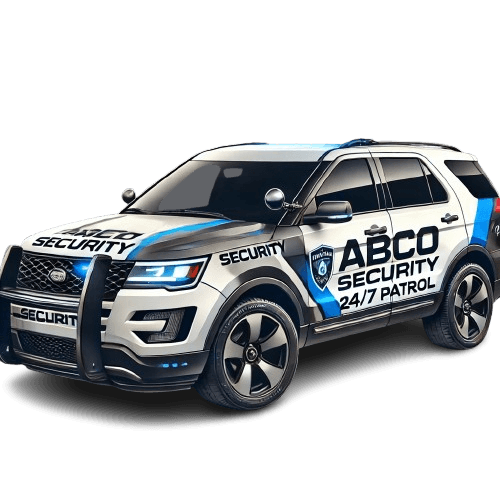
- Physical Deterrence: The sight of a marked security vehicle often sends criminals running.
- On-Site Verification: Patrols can confirm if it’s a genuine break-in, avoiding costly false alarm fees.
- Coordination with Law Enforcement: If the threat is real, the patrol can secure the area and provide police with vital information.
By combining detection (alarms) with an active response (patrols), you create a much stronger shield for your business.
To implement a professional, tailored security solution designed for your specific needs, start a conversation with the experts at ABCO Security. Visit us at https://abcosecurity.com.au/ to secure your assets and gain total peace of mind.
about
avada factory
Sempery ultricies nibh at dolor cras urna eleifend nec. Atiam efficitur tempor.