Managing an intoxicated patron comes down to four things: spotting the signs early, stopping service calmly, keeping the person safe while they are still on your premises, and recording what you did. Liquor laws in every state and territory make this the licensee’s responsibility, and the penalties for getting it wrong land on the venue and on individual staff. This guide sets out what the official Australian guidance says, how to put it into practice on a busy night, and where trained security staff fit in.
TL;DR
- Serving alcohol to an intoxicated or disorderly person is an offence under liquor laws, and breaches can bring fines and demerit points.
- Refuse service politely and firmly, without judgement, and offer water, food or help getting home.
- An intoxicated person may stay on licensed premises only in limited cases, such as waiting for medical help or safe transport, and only while monitored.
- Record every interaction in an incident register, including times and actions taken.
- Back your staff publicly: a refusal that management overrides leaves the licensee exposed.
Table of Contents
- What counts as an intoxicated patron
- Your legal exposure
- Prevention: stop it before it starts
- How to refuse service
- Can an intoxicated patron stay?
- What to do when a patron turns aggressive
- Records that protect the venue
- Building a venue policy that works
- Perspective: where trained security changes the outcome
- Getting security support for your venue or event
- A short checklist for each shift
- FAQ
- Sources
What counts as an intoxicated patron
The test is practical, not a number on a breathalyser. Victoria’s liquor regulator describes a patron as intoxicated when they show noticeable impairment in speech, balance, coordination or behaviour and the staff member believes alcohol is the cause. The Victorian guidance lists behaviour such as becoming loud or argumentative, spilling drinks and stumbling.
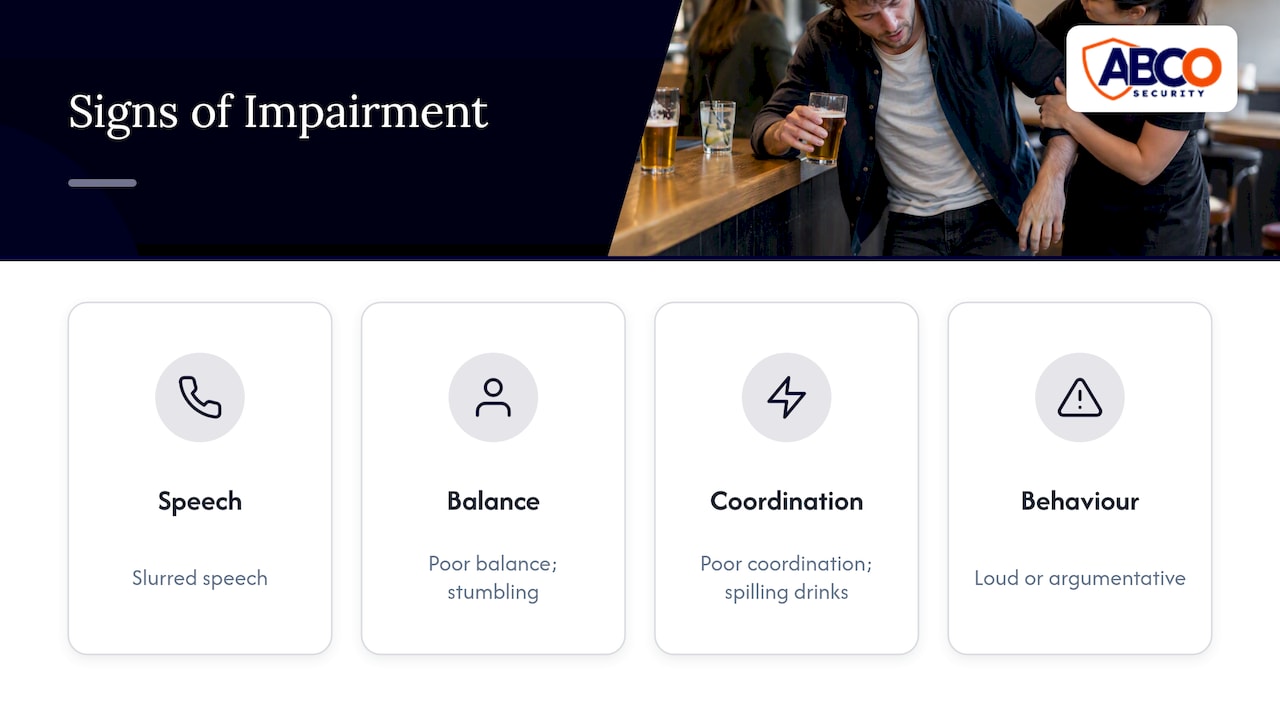
The physical picture gets clearer as blood alcohol rises. The Australian Government’s health department notes that in the 0.08 to 0.15 BAC range, people typically show slurred speech, poor balance, coordination and vision, slower reflexes, and sometimes nausea and vomiting. You do not need to estimate a BAC at the bar. You need to recognise the cluster of signs and act before the patron gets that far.
Signs worth training your team to see
- Speech: slurring, repeating themselves, unusually loud or rambling talk.
- Movement: swaying, stumbling, bumping into furniture or other patrons, difficulty handling money or a glass.
- Behaviour: sudden aggression, over-familiarity with staff, mood swings, falling asleep at a table.
- Drinking pattern: ordering rounds quickly, drinking from several glasses, asking for doubles.
- Physical distress: pallor, sweating, vomiting.
No single sign proves intoxication. Several together, or one that is severe, is enough to start a conversation.
When it may not be alcohol
Staff sometimes misread a medical condition or disability as drunkenness. Victorian guidance says licensed venues should consider whether the behaviour is due to alcohol or to other factors, such as physical or mental disabilities, before refusing service. If a patron seems unwell and has had little or nothing to drink, treat it as a possible medical issue and call an ambulance rather than a manager’s judgement call. Slurred speech and confusion can also point to a medical emergency.
Your legal exposure
The rules differ in detail by state and territory, but the core duty is shared. Business Queensland states that it is an offence to allow an intoxicated or disorderly person to consume alcohol on licensed premises. The same page notes that serving an intoxicated patron can lead to significant penalties for the licensee and staff.
In Victoria, breaches can lead to fines and demerit points, and demerit points increase annual licence renewal fees for up to three years. That is a recurring cost, not a one-off fine.
In New South Wales, licensees have a statutory obligation to take all reasonable steps to prevent intoxication on their premises, as set out by the state on its page about managing intoxicated patrons. Liquor & Gaming NSW describes Responsible Service of Alcohol training as the foundation of compliance, built around harm minimisation and the licensee’s legal obligations.
Check the regulator in your own state or territory for current offences, penalty amounts and training requirements. They change, and the official pages are the only version that counts.
Prevention: stop it before it starts
The cheapest intoxicated patron to manage is the one who never reaches that point. Business Queensland’s guidance on preventing unduly intoxicated patrons recommends monitoring the drinking environment, offering water to encourage pacing and assessing patrons each time they are served. It also suggests environmental changes such as removing bar stools and reducing noise so people pace their drinking.
In practice, that looks like this:
- Assess at every service. A glance at the patron’s speech and balance when they order takes two seconds. Make it a habit, not an exception.
- Watch the floor, not only the bar. Floor staff and glass collectors see behaviour that bar staff miss. Give them a way to pass on a concern quietly.
- Slow the pace. Promote food, put water within reach, and avoid pushing rapid or large-volume drinks to people who are already flagging.
- Clear glassware promptly. It reduces the number of drinks in play and lowers injury risk if a fight starts.
- Watch the door. Patrons who arrive already affected should not be served. Entry decisions are part of intoxication management.
Using cameras to support decisions
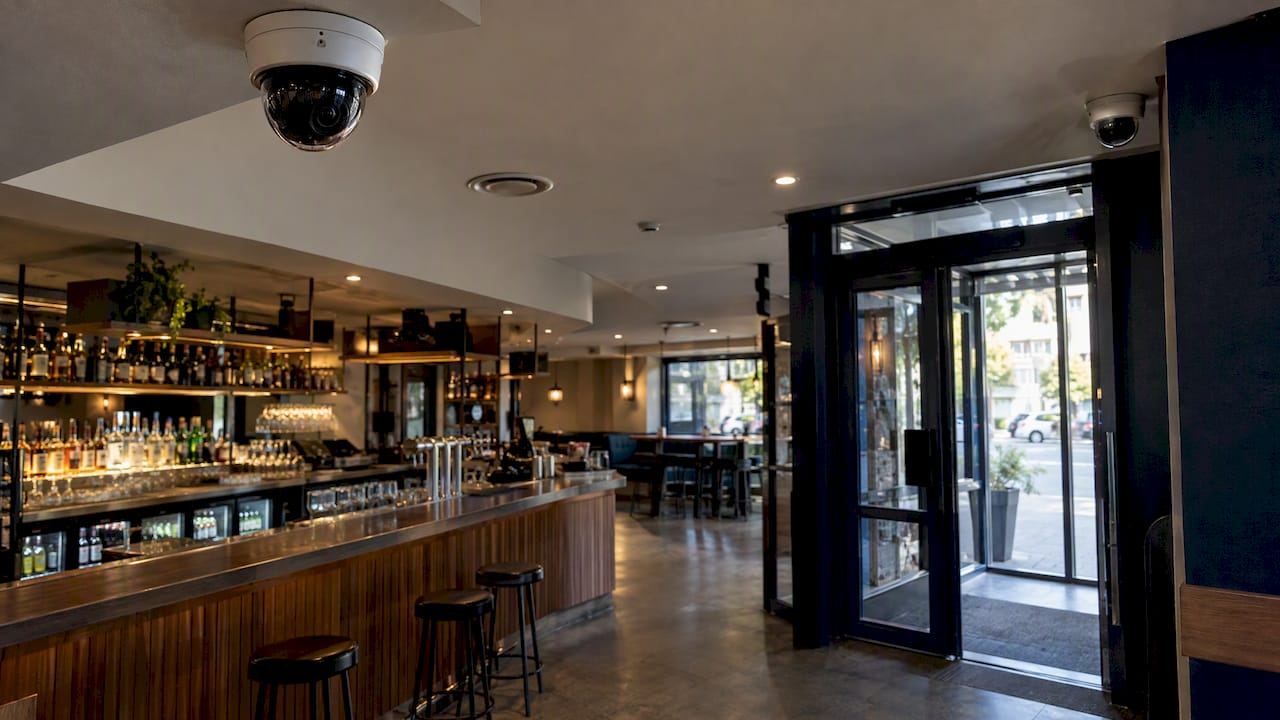
Visible CCTV systems for venues in NSW cover service points and entrances. They help managers review incidents, check how a refusal was handled and confirm times for the register. They do not replace a trained person watching the room, but they give you evidence that your procedures were followed.
How to refuse service
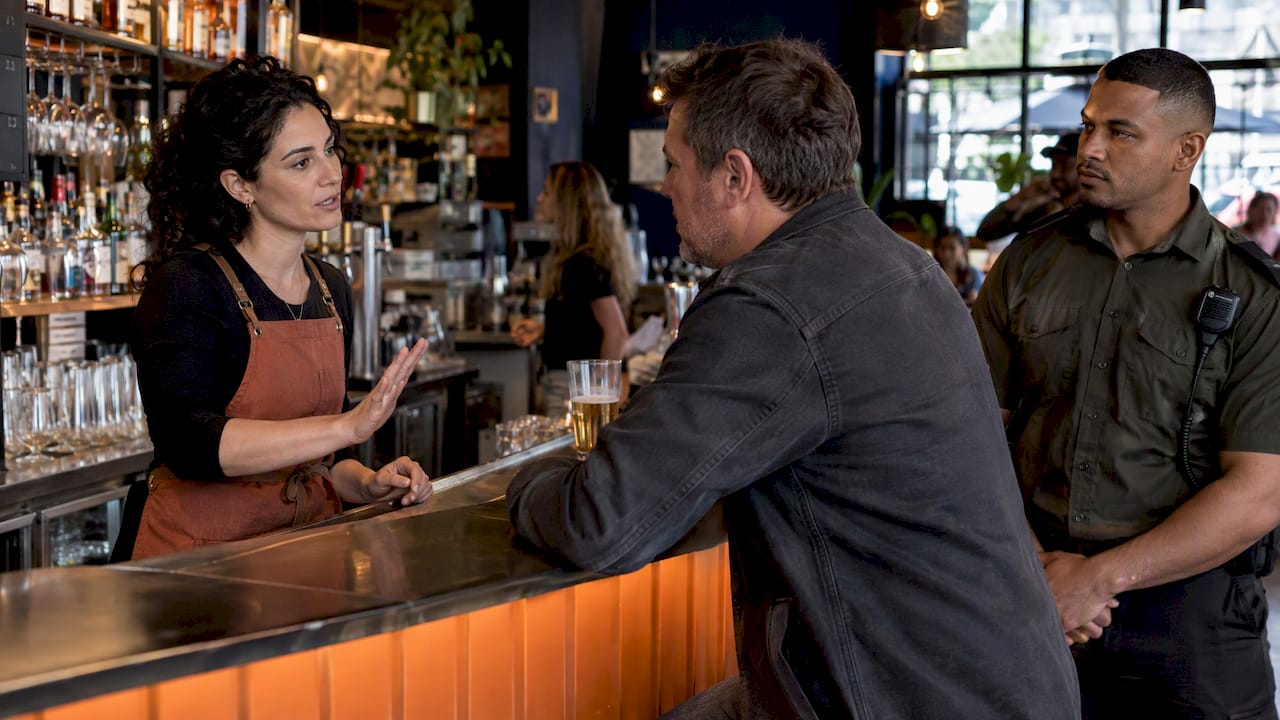
A refusal goes wrong when it feels like an accusation. Queensland’s official guidance recommends approaching the patron politely, avoiding value judgements and telling them firmly they will not be served more alcohol. It adds that staff should use tact, explain the reason, and offer non-alcoholic options or help with safe transport.
A simple refusal sequence
- Tell a colleague or supervisor you are about to refuse, so someone is nearby.
- Speak privately if you can. Public embarrassment escalates things quickly.
- Be brief and calm. For example: “I can’t serve you any more alcohol tonight, but I can get you a water or a soft drink.”
- Blame the law, not the person. “We’re not allowed to serve anyone who has had enough” is easier to hear than “you’re drunk”.
- Do not argue or negotiate. Repeat the decision once and offer an alternative.
- Make sure the patron’s friends know. Otherwise they will simply buy the next round for them.
- Record it as soon as it is safe to do so.
The decision should stick. If a manager overrides a refusal to keep a customer happy, the venue has served an intoxicated person with management’s knowledge. Business Queensland specifically says management should support staff decisions to refuse service, as the risk of serving intoxicated patrons carries penalties for both licensee and staff. Tell your team in writing that they will never be disciplined for a good-faith refusal.
Can an intoxicated patron stay?
Often the safest option is to move the person out. But sometimes leaving is more dangerous than staying, for instance when someone is very unwell or has no way home. The NSW government states that an intoxicated person may remain on licensed premises only in limited circumstances, such as while waiting for medical assistance or safe transport, provided they are actively monitored and do not cause a disturbance.
That means:
- A named staff member watches the person, and they are not left alone in a corner.
- No alcohol is served or passed to them.
- The reason for staying (waiting for an ambulance, taxi or a sober friend) is clear and recorded.
- The person leaves as soon as the reason ends.
The same NSW page sets out the elements of a defence for licensees: service stopped when intoxication was identified, the patron was asked to leave, police were called if they refused, reasonable prevention steps were taken, and the person did not consume liquor on the premises. Treat that list as a checklist for your own procedure. It is a defence to be proven, not a guarantee.
What to do when a patron turns aggressive
Aggression changes the job from service decision to safety management. A few principles apply in every venue:
- Keep distance and an exit. Stay at arm’s length plus, and never block the only way out.
- Lower the temperature. Speak slowly and quietly, and avoid pointing or crowding.
- Never work alone. Two staff members is a minimum, and one should be able to call for help.
- Do not use force except as a last resort and within the law. Physical removal is a task for licensed security personnel trained for it.
- Call police if the patron refuses to leave, threatens anyone or becomes violent.
- Call an ambulance if the person is unresponsive, vomiting while drowsy, injured or has been drinking heavily and cannot be roused normally.
Once the patron has gone, check on the staff member involved. Refusals that end in abuse take a toll, and a team that feels backed will keep making the right calls.
Records that protect the venue
If it is not written down, you will struggle to prove it happened. The NSW government says venues should keep an approved incident register recording actions taken about intoxicated patrons, including the time the person was identified, the interventions made and the time they left. Liquor & Gaming NSW has also said that recent guidance recommends venues record interactions with patrons identified as intoxicated in or around the venue.
A useful entry has:
| Field | What to record |
|---|---|
| Date and time | When you first identified the signs |
| Patron description | Clothing, approximate age, group size (no need to guess names) |
| Signs observed | Plain words: slurred speech, unsteady, aggressive |
| Action taken | Service refused, water offered, moved to seat, security called |
| Staff involved | Names of those who saw and acted |
| Outcome | Time and manner of departure, ambulance or police attendance |
| Follow-up | Injuries, complaints, changes to procedure |
For larger incidents, a structured approach to reporting helps. Our guide to security incident reporting covers what facility managers should capture and how to keep reports consistent between shifts.
Building a venue policy that works
Policy documents only help if staff use them. Regulators expect venues to show their practices. In NSW, a licensing authority delegate has confirmed that approval depends on demonstrated practices that take reasonable steps to prevent intoxication and maintain compliance. A good policy covers:
- Who has authority to refuse service and remove patrons, and the assurance that decisions will be backed.
- Training: current RSA certificates for everyone serving, plus a short refresher on your own procedure at induction and before busy periods.
- Escalation: when to call the duty manager, security, an ambulance or police.
- Records: where the register is kept and who reviews it, and how often.
- Review: after any serious incident, change something, and note the change.
Review rosters as well as paperwork. Short-staffed bars cannot watch the floor. Matching staffing to expected crowds is the cheapest control you have.
Perspective: where trained security changes the outcome
We provide security for construction sites, healthcare facilities, corporate offices, retail and events across Australia, and we see the same pattern in venues. Most intoxication incidents are not dramatic. They become dramatic because a refusal is made by one tired bartender with nobody nearby, the door is unmanned, or nobody wrote down what happened.
Our view is that licensed security staff work best as part of the venue’s responsible service system, not as a bouncer called after things go wrong. A guard at the door who turns away affected patrons, a person on the floor who spots problems early, and a calm second voice when a refusal is challenged all reduce the number of confrontations your bar team has to handle alone. Proactive presence matters more than reaction, and that is how we approach every site.
Documentation is the second half. Our work is built around quality management, and we are certified to ISO 9001 and ISO 30000 standards. A venue that logs identification time, action and departure time on every shift can show a regulator, insurer or court what it did. A venue relying on memory cannot.
If you run events, size the team to the crowd and the format before the night, not during it. Our guides on crowd control strategies and event security staffing explain how to work out numbers, positions and briefings.
— Abco
Getting security support for your venue or event
We supply licensed security guards for static posts and entry control, along with crowd control, event security, and CCTV and alarm monitoring. If you are planning a function, our guide on how to hire event security walks through briefing, numbers and what to ask a provider. To talk about your venue, start from the ABCO Security home page and tell us what you run, when, and how many people you expect. Pricing depends on the site and the hours, so we scope each engagement with you.
A short checklist for each shift
- Confirm everyone serving has a current RSA certificate.
- Brief the team on who can refuse service and who to call.
- Check the incident register is at the bar and not locked away.
- Set water stations and food options out where patrons can see them.
- Position a staff member at the door and one on the floor at peak times.
- Agree a signal for “I need help with a refusal”.
- At close, review the register and note anything to change.
FAQ
Can I serve someone who is only slightly drunk?
No. The test is whether the person is showing noticeable impairment to speech, balance, coordination or behaviour, not whether they have reached an extreme level. It is an offence to allow an intoxicated or disorderly person to consume alcohol on licensed premises, so act at the first clear signs rather than waiting for them to worsen.
Is the venue responsible for a patron after they leave?
It depends on the circumstances and the state, and the law has been tested in court. NSW guidance sets out a defence that can apply where service stopped once intoxication was identified, the patron was asked to leave and police were called if they refused. Take legal advice for your situation and follow your regulator’s guidance.
What should I do if the patron refuses to leave?
Stay calm, do not use physical force yourself and keep another staff member with you. Call police and tell them what is happening. Record the time, the actions you took and the time the patron left or police arrived.
Do we need an incident register?
NSW guidance says venues should keep an approved register of interactions with intoxicated patrons, including times and actions. Even where your state does not specify the format, a written record is the clearest proof you took reasonable steps.
Sources
- Managing intoxicated customers, Victorian Government
- What are the effects of alcohol? Australian Government Department of Health
- Refusing service to unduly intoxicated patrons, Business Queensland
- Preventing patrons from becoming unduly intoxicated, Business Queensland
- Management of intoxicated patrons on licensed premises, NSW Government
- Responsible Service of Alcohol (RSA), Liquor & Gaming NSW
- Changes to the Liquor Promotion Guidelines, Prevention of Intoxication Guidelines and Intoxication Guidelines, Liquor & Gaming NSW
- On-premises liquor licence decision, Independent Liquor & Gaming Authority
- Business and venue CCTV in NSW
Recommended
about
avada factory
Sempery ultricies nibh at dolor cras urna eleifend nec. Atiam efficitur tempor.