TL;DR:
- The best ADT alternatives for Australian homes include SimpliSafe, Vivint, Frontpoint, and Cove, each suited to different needs. Professional monitoring remains essential for reliable protection, especially in critical situations, while DIY systems offer flexibility for renters. Property type, budget, and smart home goals should guide the choice of installation method and system features.
What are the best ADT alternatives for Australian homes?
The strongest ADT alternatives available to Australian homeowners right now are SimpliSafe, Vivint, Frontpoint, and Cove. Each takes a different approach to the core problem: keeping your home protected without locking you into a system that does not suit your property, budget, or lifestyle.
| System | Best For | Installation | Professional Monitoring | Smart Home Integration | Customer Support |
|---|---|---|---|---|---|
| SimpliSafe | Renters and budget-conscious homeowners | DIY | Available (optional) | Moderate | Online and phone |
| Vivint | Premium users wanting full automation | Professional | Included | Extensive | 24/7 dedicated support |
| Frontpoint | Homeowners wanting DIY with pro oversight | DIY | Available | Strong | Highly rated support |
| Cove | Budget buyers wanting simple monitored security | DIY | Available | Basic | Local and phone support |
The right choice depends on three things: whether you own or rent, how much you want to spend on ongoing monitoring, and how deeply you want your security system woven into your smart home setup. Professional monitoring, which delivers 24/7 supervision and can alert emergency services on your behalf, is the feature that separates a genuinely protective system from one that just makes noise.
Pro Tip: If you are renting, prioritise wireless systems like SimpliSafe or Cove. They are portable, require no drilling into walls, and you can take them with you when you move.
How do these ADT alternatives compare on features and monitoring?
Australian homeowners evaluating these systems need to look past the headline price and examine what each actually delivers across sensors, cameras, app control, contract terms, and support quality.
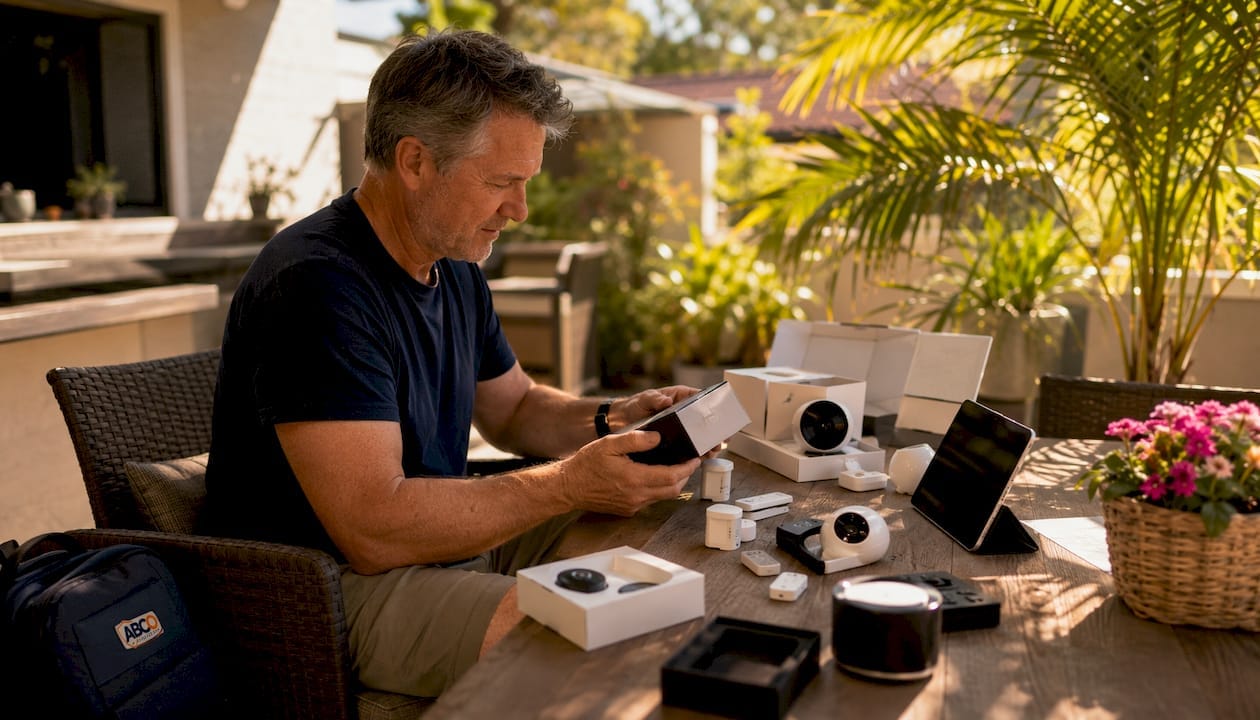
SimpliSafe is built around simplicity. You order a kit, place the sensors yourself, and choose whether to add professional monitoring as a monthly subscription. There are no long-term contracts, which suits renters or anyone who wants flexibility. The trade-off is that the smart home integration is more limited than Vivint’s, and the cameras, while functional, are not the most advanced on the market.
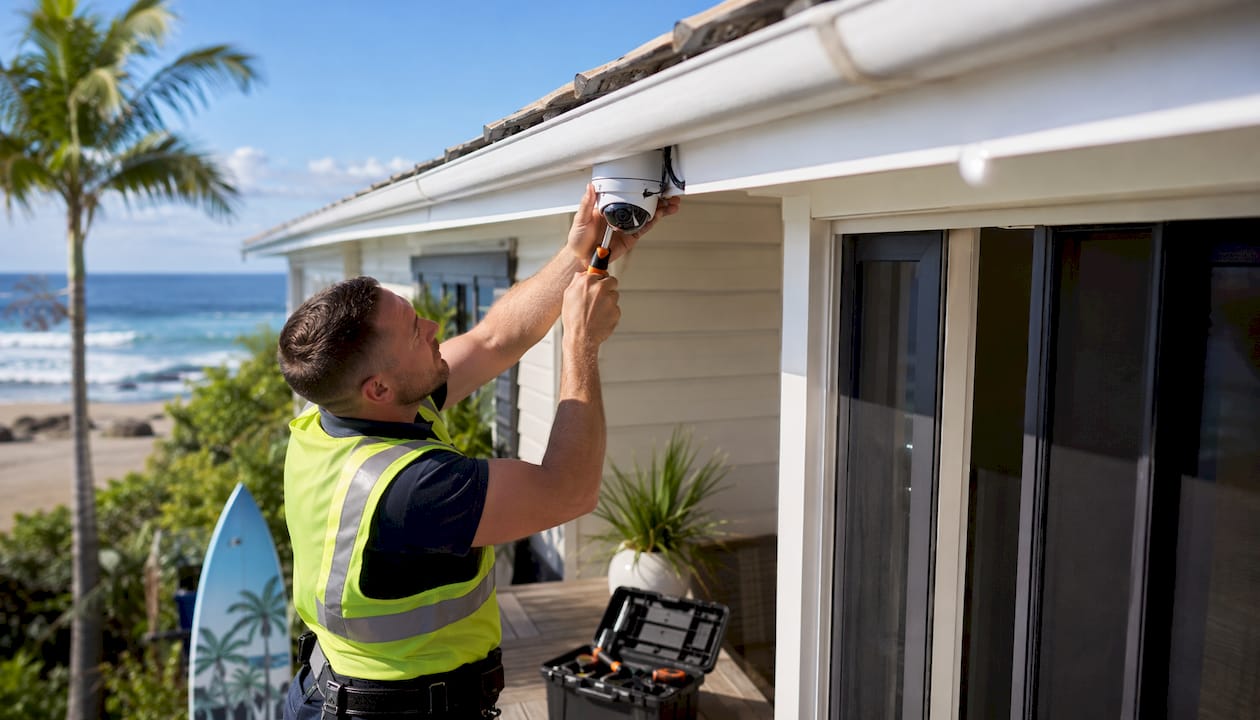
Vivint sits at the other end of the spectrum. A technician installs everything, the equipment is high-end, and the system integrates deeply with platforms like Google Home and Amazon Alexa. You pay for that. Equipment costs are higher, and Vivint typically requires a multi-year monitoring contract. For homeowners who want a single app controlling locks, cameras, lights, and alarms, Vivint delivers that in a way the DIY systems cannot match.
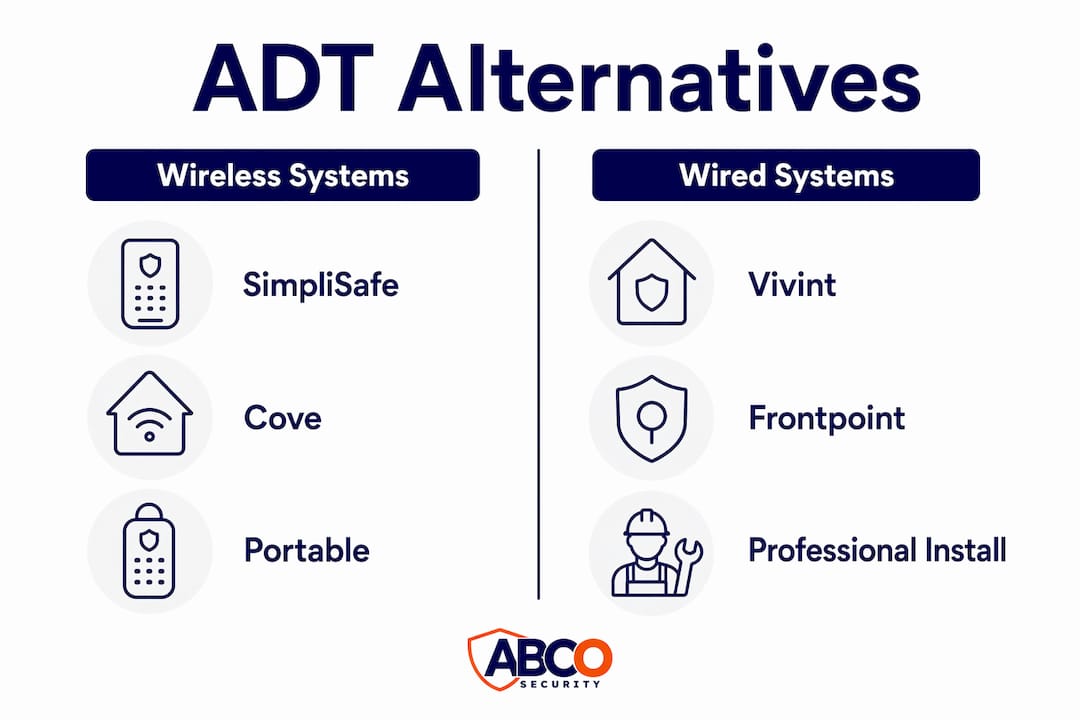
Frontpoint occupies a genuinely useful middle ground. You install it yourself, but the monitoring is professional-grade, the customer support is consistently well-regarded, and the system works with a solid range of smart home devices. It suits homeowners who are comfortable with a basic setup process but want the reassurance of a monitoring centre watching over things around the clock.
Cove focuses on keeping costs down without cutting the monitoring. Setup is straightforward, contracts are flexible, and the system covers the essentials: door and window sensors, motion detectors, and a control panel. It does not have the depth of Vivint or the brand recognition of SimpliSafe, but for a homeowner who wants reliable monitored protection at a lower price point, it does the job.
Smart home compatibility matters more than it used to. Controlling locks, cameras, and sensors through a single app improves your awareness of what is happening at home and makes the system genuinely easier to use. Vivint leads here, Frontpoint and SimpliSafe are solid, and Cove is more basic.
A note on contract terms: ADT is known for long contracts and early termination fees. SimpliSafe and Cove both offer month-to-month monitoring, which is a meaningful advantage if your circumstances change. Frontpoint and Vivint tend toward longer commitments, so read the terms before signing.
How do you choose the right ADT alternative for your Australian home?
The single biggest factor is whether you own or rent. Renters need a wireless, portable system with no permanent fixtures. Homeowners have more options, including wired systems that are more reliable for permanent properties and less vulnerable to battery drain or radio frequency interference.
Wired vs wireless: what suits Australian homes?
Wired systems suit brick and double-brick homes where running cables is practical. They are not affected by internet outages or interference, and they tend to be more stable over time. Wireless systems are the right call when cabling is impractical, such as in older homes, apartments, or properties where you cannot modify the structure. The catch is that wireless systems need protection against internet outages and radio frequency interference to stay dependable. A layered approach, such as a home defence plan that combines physical deterrents with electronic monitoring, tends to outperform any single-layer system.
DIY vs professional installation
DIY installation saves money upfront, but it comes with real limitations. DIY wireless alarms can suffer from battery issues, limited range, and connectivity problems. More critically, a self-installed system may leave blind spots around entry points that a professional would catch. RACV’s General Manager of Home Security, Adrian Steidle, put it plainly: “Professional installers can identify vulnerabilities around your home, set up a system to suit your layout, and ensure critical entry points are properly protected — something that can easily be missed with a DIY setup.”
For Australian homeowners who want the most reliable outcome, licensed professional installation is the stronger choice. For renters or those on tight budgets, a well-chosen DIY system with professional monitoring is a reasonable compromise.
Key decision criteria
- Residence type: Renters need portable wireless systems; homeowners can consider wired or hybrid setups.
- Property layout: Larger homes with multiple entry points need more sensors and potentially a professionally designed coverage plan.
- Budget: Factor in both equipment costs and ongoing monitoring fees, not just the upfront price.
- Contract flexibility: Month-to-month monitoring suits those who may move or want to switch systems.
- Smart home goals: If you already use Google Home, Amazon Alexa, or Apple HomeKit, confirm compatibility before buying.
- Australian conditions: Equipment must handle local environmental conditions, including coastal salt spray, extreme heat, and humidity.
Pro Tip: You do not have to choose between DIY convenience and professional oversight. Systems like Frontpoint let you self-install and then hand monitoring to a professional centre, giving you the cost savings of DIY setup with the reliability of 24/7 supervision.
What does the Australian security market say about choosing a system?
Australian security experts are consistent on one point: the best home security systems combine alarms, CCTV, and smart home technology rather than relying on any single component. RACV describes this integrated approach as best practice, noting that cameras can trigger alarms or activate smart lighting when motion is detected, creating active deterrence rather than passive recording.
The concern about technology-based threats is real. RACV has specifically flagged radio frequency jammers as a tool used by thieves to disrupt wireless DIY systems. A professionally installed system with a hardwired backup or cellular monitoring connection is far harder to defeat this way. AI-powered cameras, such as those using Hikvision ColorVu technology, also reduce false alarms by distinguishing humans from animals, which matters in Australian properties where wildlife can trigger standard motion sensors repeatedly.
Australian Standards compliance is another consideration that DIY buyers often overlook. A licensed technician installs to the correct standard, selects sensors suited to your specific environment, and calibrates the system to minimise false alarms. False alarms are not just annoying; they erode trust in the system and can lead homeowners to ignore genuine alerts.
Property construction shapes the decision too. Brick homes suit wired systems. Timber-framed or older homes may need wireless solutions. Coastal properties need weatherproof equipment rated for salt air exposure. A system that works perfectly in a Melbourne suburb may need different components on the Sunshine Coast.
What should you prioritise when making a final decision?
The gap between a system that looks good on paper and one that actually protects your home comes down to a handful of practical factors.
Professional monitoring is the one feature worth paying for consistently. A system that only alerts your phone is only as good as your ability to respond at 3 AM. A monitored system can dispatch a security guard or contact police while you are still waking up.
- Monitoring: Professional 24/7 monitoring with emergency dispatch capability is the baseline worth budgeting for.
- Installation quality: A professionally installed system with custom sensor placement covers your actual vulnerabilities, not just the obvious ones.
- Smart home compatibility: Choose a system that works with the devices you already own or plan to buy.
- Contract terms: Avoid long lock-in periods unless the equipment and service quality genuinely justify them.
- Equipment durability: Confirm that outdoor components meet Australian weatherproofing standards for your specific climate zone.
- Scalability: Start with core sensors and add cameras, smart locks, or additional detectors as your budget allows.
The best home security systems in Australia are not necessarily the most expensive. They are the ones correctly matched to your property, installed to a professional standard, and backed by monitoring that responds when it matters.
Abcosecurity: integrated security for Australian homes and businesses
If the DIY alternatives feel like a compromise, there is a different route worth considering. Abcosecurity delivers integrated security solutions built around your specific property rather than a generic kit.
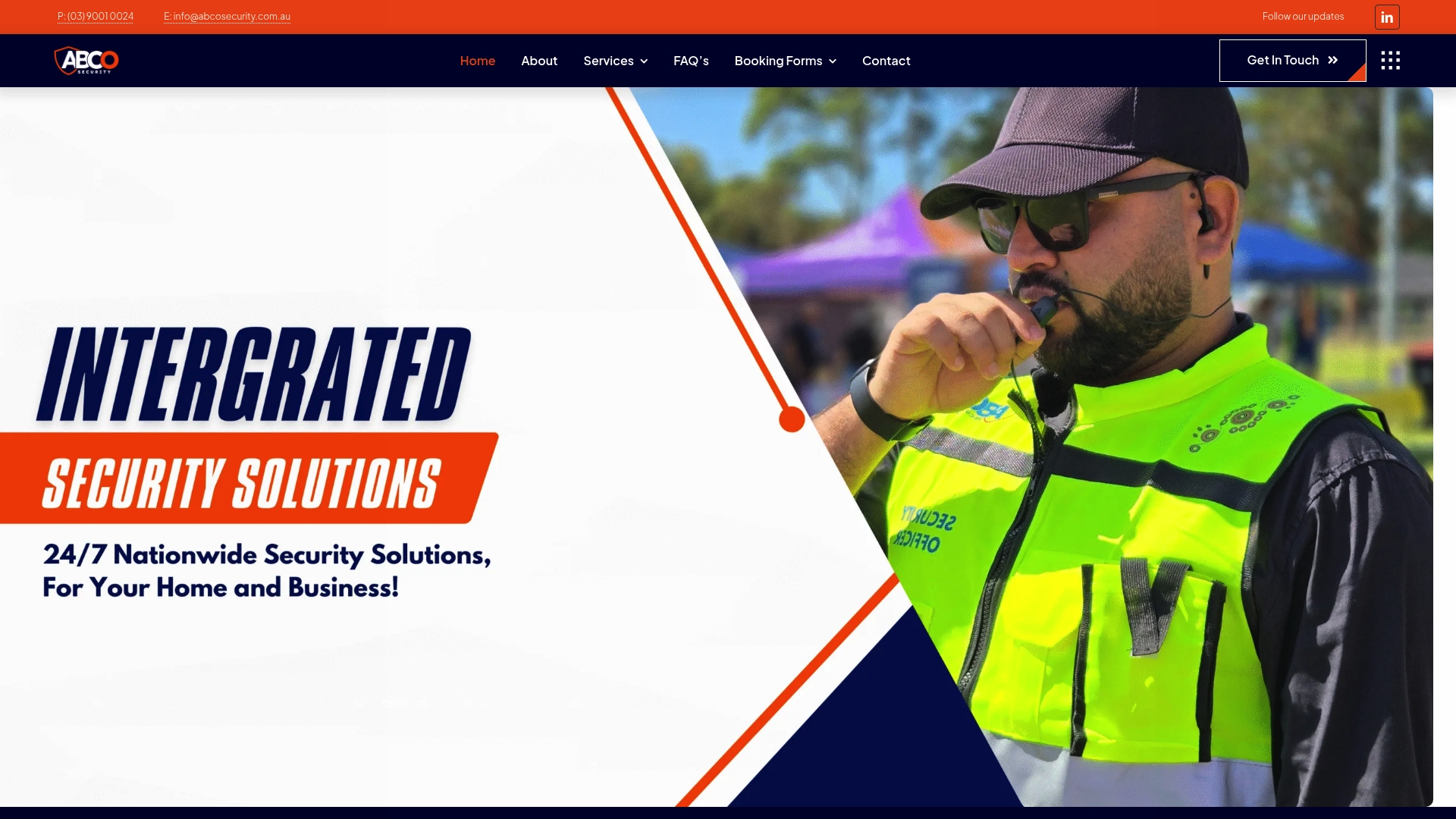
Abcosecurity holds ISO 9001 and ISO 30000 certifications and brings over 15 years of industry experience to every installation. The team of licensed professionals designs systems that combine 24/7 monitoring, CCTV, alarm systems, and access control into a single, managed solution. Unlike off-the-shelf alternatives, Abcosecurity conducts a security risk assessment before any installation, identifying the vulnerabilities that a standard kit would miss.
For Australian homeowners and businesses wanting security systems monitoring that goes beyond a self-managed app, Abcosecurity’s approach covers the full picture: proactive threat anticipation, licensed installation, and ongoing support. The result is a system calibrated to your property, not a template applied to it. Visit Abcosecurity to discuss a tailored solution for your home or business.
Key takeaways
The strongest ADT alternatives for Australian homeowners combine professional monitoring, smart home compatibility, and installation quality suited to the property type and local conditions.
| Point | Details |
|---|---|
| Professional monitoring matters most | A monitored system can alert emergency services when you cannot respond, making it far more effective than self-monitored options. |
| Match installation to your property | Wired systems suit permanent homes; wireless suits renters or properties where cabling is impractical. |
| Contract flexibility is a real advantage | SimpliSafe and Cove offer month-to-month monitoring, avoiding the long lock-in terms associated with ADT. |
| Australian conditions require local-grade equipment | Outdoor components must handle coastal salt spray, extreme heat, and humidity to remain reliable. |
| Abcosecurity for integrated solutions | Abcosecurity offers licensed installation, ISO-certified standards, and 24/7 monitoring tailored to Australian homes and businesses. |
FAQ
Who is ADT’s biggest competitor in Australia?
SimpliSafe is widely regarded as ADT’s most direct competitor for residential customers, offering comparable monitoring with no long-term contracts and a lower equipment cost. Vivint competes at the premium end with professional installation and advanced smart home integration.
What is a better alternative to ADT for most homeowners?
For most Australian homeowners, SimpliSafe or Frontpoint offer the best balance of affordability, flexible monitoring, and ease of setup. Frontpoint adds strong customer support and smart home compatibility, making it a practical step up from basic DIY options.
What can you replace your ADT system with?
You can replace an ADT system with any of the four main alternatives: SimpliSafe for budget flexibility, Vivint for premium automation, Frontpoint for a DIY-plus-monitoring approach, or Cove for straightforward monitored protection at a lower cost.
Which is the best home security system in Australia?
Professionally installed systems with 24/7 monitoring are consistently rated the most effective by Australian security experts. For homeowners wanting a fully managed solution, Abcosecurity provides licensed installation, integrated CCTV and alarm monitoring, and ongoing support across Australia.
Recommended
about
avada factory
Sempery ultricies nibh at dolor cras urna eleifend nec. Atiam efficitur tempor.