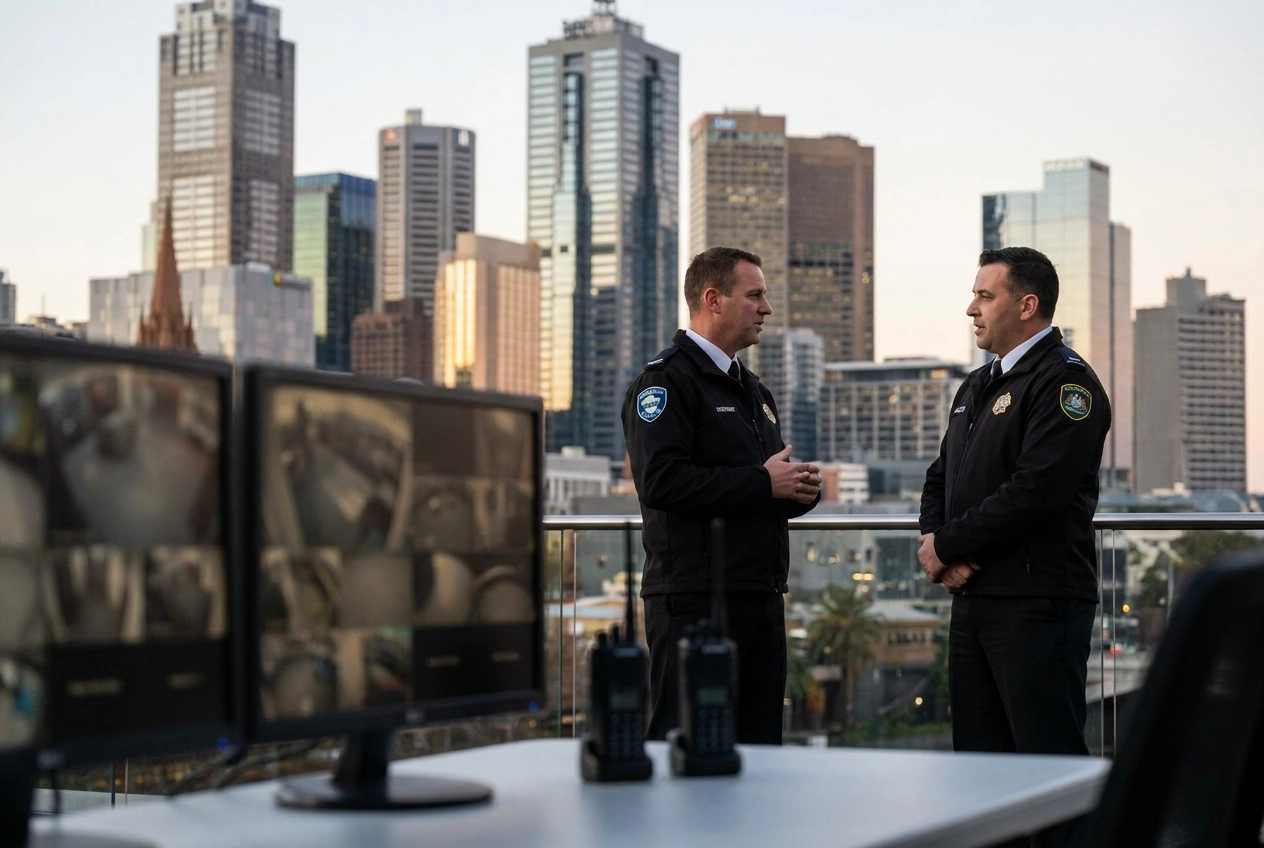
For most Melbourne corporate sites, a locally rooted security provider beats a national contract on roster resilience, after-hours escalation and supervisory presence. National scale only earns its premium where genuine multi-state coverage is required.
Most procurement teams compare providers on brand size and glossy capability statements. In my experience, that is the wrong filter. When you choose a security company in Melbourne, the variables that decide whether your site is actually covered are response time, roster depth, and who picks up the phone at 2am when a guard does not show.
This is a structural comparison, not a vendor ranking. I will cover what changes on the ground, how short-notice guard substitution actually works, how escalation reaches a decision-maker after hours, and the criteria that genuinely move the decision. You will also get a pre-signature test, answers to common questions, and one pitfall that costs Melbourne buyers the most.
The Short Answer for Melbourne Corporate Sites
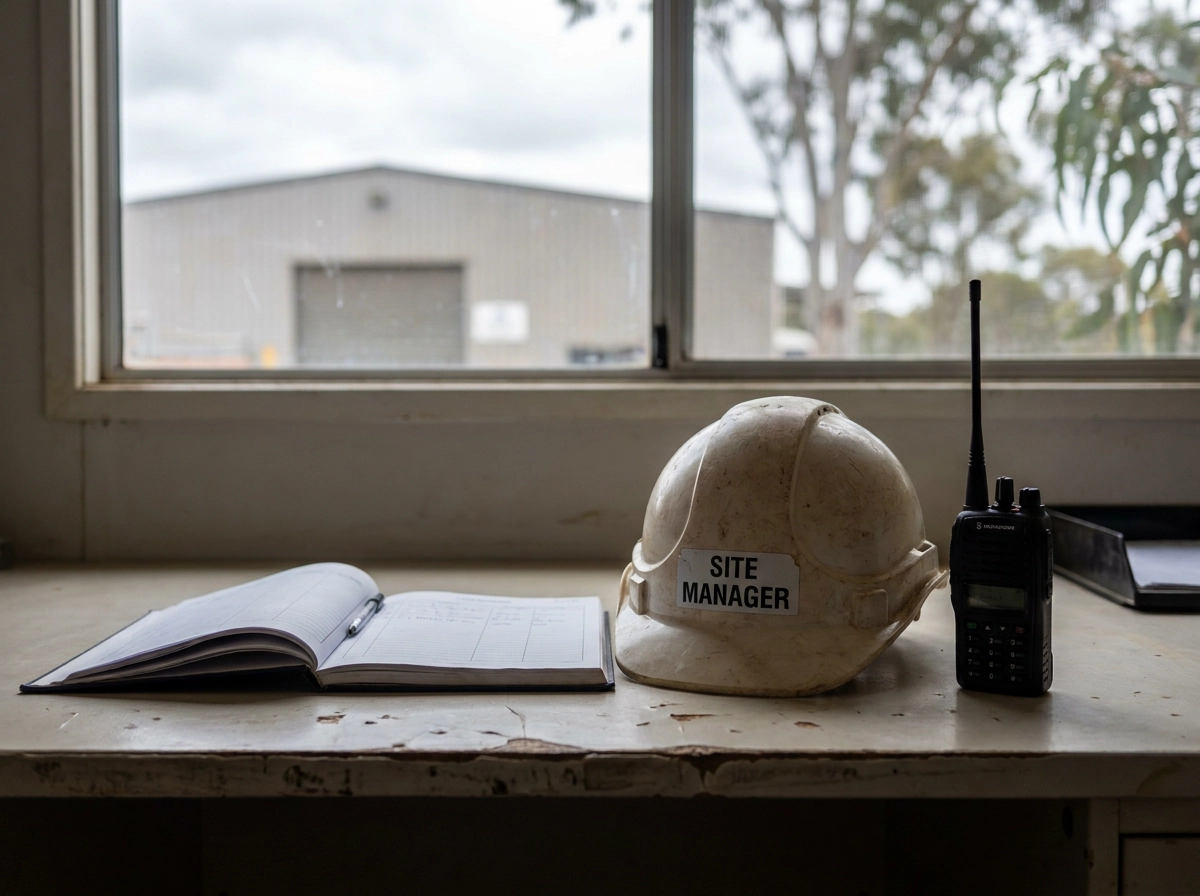
For most Melbourne corporate sites, three things decide local versus national: roster resilience, local supervisory presence and after-hours escalation speed. Brand size only matters with a genuine multi-state need.
Procurement scorecards reward national scale, insurance certificates and low hourly rates. None of that staffs your 2am shift. Treat this as a buyer test, not a vendor ranking: everything here is verifiable, starting with licence checks on the Victoria Police public register. In a Docklands tender I reviewed, the national bidder’s local relief pool was three guards, one living 90 minutes away. ASIAL’s 2022 report (31 December 2021 data, historical context) recorded a post-COVID fall in licensed personnel, Victoria among the hardest hit. See how to choose a Melbourne security company.
What Actually Changes on the Ground
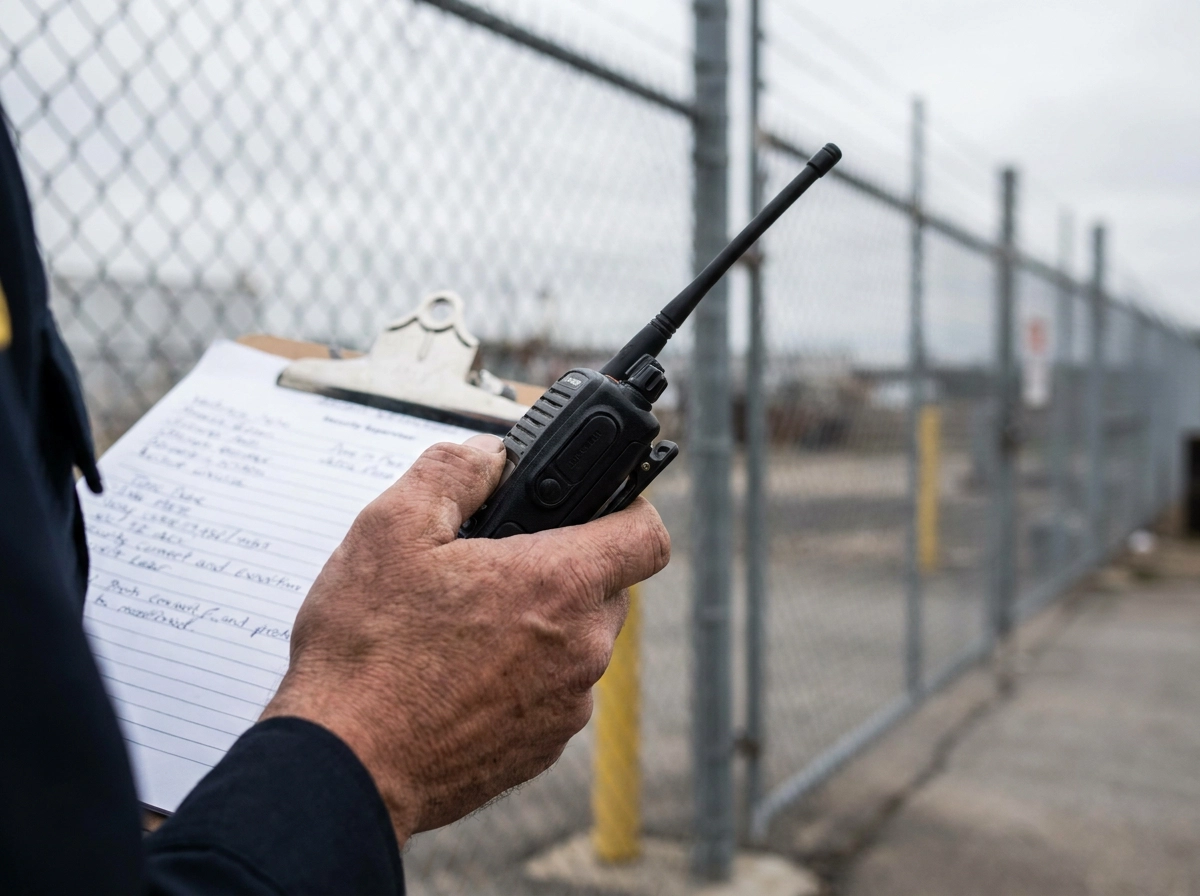
Response time is not attendance. Patrol ETAs, alarm responses and static guard coverage run on three clocks; bids quote the flattering one. Ask about patrol sequencing.
Local supervisory presence is the best predictor I’ve found: a Melbourne operations manager at your gate within the hour holds a roster together when it cracks.
Escalation depth beats promises. Count the hops from the 2am phone to someone who can authorise extra coverage, and the cost.
Substitution is the quiet test: when a guard calls in sick at 4pm for a 6pm lobby shift, who decides, and what fill-time are they held to?
National scale earns its place with multi-state portfolios: single invoicing, one compliance framework, standardised reporting. One CBD tower and a warehouse? You are paying for a benefit you cannot use.
Roster Depth and Short-Notice Guard Substitution
A local provider draws on a relief pool 20 to 40 minutes from your site; national operators route the fill through a state rostering centre.
Ask for numbers: how many licensed guards live within 30 minutes, how many are free tonight, how many have worked this site before? An unfamiliar guard who has never seen your loading dock or concierge logbook adds exposure even when the shift is covered.
Documented induction separates a fast fill from a good one; I read a provider’s static guard coverage terms before shortlisting, and apply the same rigour to scaling guard numbers as headcount grows.
Providers who name the relief guard mid-call, not after a rostering review, fill shifts. Deputy and Humanforce track this, so ask for the live pool, not a booked roster.
After-Hours Escalation: Who Answers at 2am
Depth still needs an answer at 2am. Where does the call land: a scripted national call centre, a Melbourne on-call supervisor, or a voicemail box nobody checks until 7am?
Decision rights are the real test. Whoever answers must approve overtime, extra guard hours and redeployment, not an approval chain opening at 9am.
Request a written escalation matrix with names, mobile numbers and committed response times, then review it quarterly. A matrix listing a role, not a person, is a warning sign. Run a live drill a Tuesday night: call the after-hours line, time how long until a decision-maker answers, note what they commit to in writing. Escalation speed shapes insurance and police reporting after a break-in: after-hours security services and CCTV monitoring belong on one path, not two phone trees.
Local vs National Compared: The Criteria That Actually Move
Build the shortlist on five criteria:
| Criterion | Local provider | National contract |
|---|---|---|
| Roster substitution | Relief pool within 30 minutes | State or national rostering queue |
| Supervision | Scheduled visits by a Melbourne manager | Remote account management |
| Escalation | Named on-call decision-maker | Call centre script |
| Coverage | Single-state depth | Multi-jurisdiction reach |
| Compliance | Victorian licence management | National audit framework |
Read it honestly: a local provider with a thin relief pool loses to a well-run national contract. Structure matters less than the depth behind it, which is exactly what managed security services in Melbourne must prove.
The regulatory floor is identical for both. Since 19 June 2025, all private security activities in Victoria are licensed activities under the Private Security and County Court Amendment Act 2024. Victoria Police publishes a register to confirm individual licences.
How to Test a Provider Before You Sign
Verify first: check every proposed guard and supervisor on the Victoria Police public register and confirm the company holds the correct business licence. Processing times are indicative only, so start early.
Then run the substitution drill: call at 5pm, ask for a licensed guard on site by 7pm, and note response time, whether they name the guard, and whether the price shifts mid-conversation. Before signing, ring the after-hours number and time how long until someone with authority answers.
Reference-check a comparable Melbourne site (Collins Street tower, Southbank hotel, western suburbs industrial yard) and ask about the last three shifts the provider failed to fill.
Lock results into the contract: substitution timeframe, supervisor visit frequency, KPI penalties for missed shifts, and an exit clause for repeated failures. Ask how they manage fatigue and overtime under current Victorian labour constraints, and treat ASIAL’s 31 December 2021 figures as historical context, not a current snapshot.
FAQs
Local vs national provider?
Local pools are smaller but closer, supervisors are on the ground, and the after-hours chain is shorter. National contracts centralise rostering, adding hops before 2am.
Is the best security company in Melbourne the biggest?
No. For a single site, substitution speed, supervisor access and 2am decision rights beat brand size. See how to choose a security guard company in Melbourne.
How fast is a short-notice fill?
Expect a written commitment plus a local relief pool. A 2 to 4 hour window is realistic once site induction is factored in.
What should I check before signing?
Victoria Police register status, licence class, written escalation matrix, supervisor visit schedule and substitution KPIs in the contract.

Common Pitfall to Avoid
The mistake is awarding on brand size, hourly rate and a polished capability statement, then finding at the first sick call that no depth sits behind your site.
Fix it in the tender: run the substitution drill and the 2am call before you award, then convert them into contract KPIs reviewed at 90 days.
Ask for the last three shifts they failed to fill and what changed afterwards. That answer reveals more roster resilience than any certificate of currency. Weight local supervisory presence heavily: a Melbourne supervisor who can reach your gate in 40 minutes outperforms the biggest map on the wall. National scale pays off only where multi-state coverage is needed. Read how to choose a security guard company.
Conclusion
The short answer holds: for a Melbourne corporate site, local roster depth beats national brand size. I’ve found three tests matter most: a written 2 to 4 hour substitution commitment, a named after-hours escalation path, and a supervisor who can reach your gate quickly. Put those into the contract as KPIs, not promises. Before you award, run the sick-call drill and the 2am call. Ask for the last three failed fills and what changed. That pressure test reveals whether real coverage sits behind the pitch. If you want a provider built for local response, review our security guard services and mobile patrol. Pro Tip: Make the 90-day review personal. If substitution speed or escalation response slips, enforce the KPI or replace the provider.
about
avada factory
Sempery ultricies nibh at dolor cras urna eleifend nec. Atiam efficitur tempor.