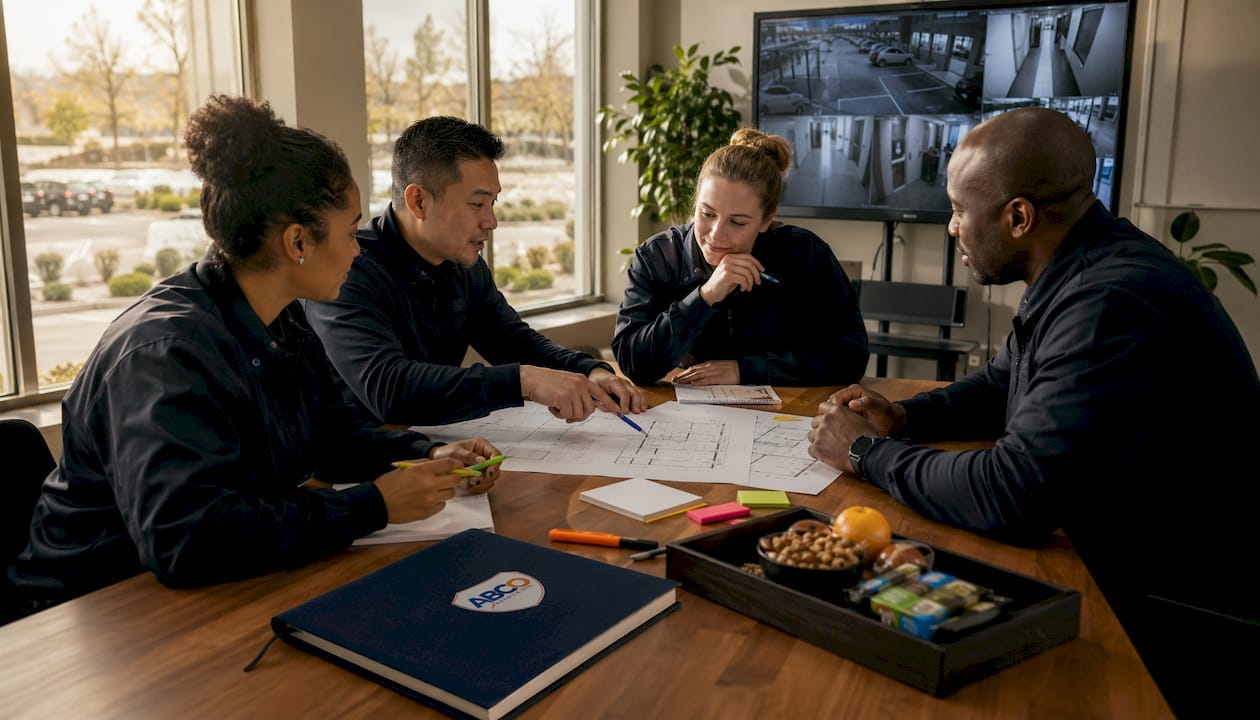
Australian retailers lose an average of 0.88% of revenue to theft, which translates to roughly AUD 4.29 billion annually across Australia and New Zealand. Retail loss prevention services are integrated security solutions that combine licensed guards, surveillance technology, and strategic risk management to cut that number down, as exemplified by leading Bewakingsdiensten | Nowjobs in security staffing services. In Australia, providers like Abcosecurity deliver these services across the full spectrum:
- Licensed static guards trained specifically for retail environments
- Mobile patrols covering multiple sites or large-format stores
- CCTV installation and 24/7 alarm monitoring
- Access control systems limiting entry to stockrooms and high-value areas
Table of Contents
- What do retail loss prevention services actually cover?
- Why professional loss prevention pays for itself
- What credentials should your provider hold?
- How do you engage a provider and get ongoing support?
- How is the industry responding to organised retail crime?
- How do you evaluate and choose the right provider?
- What does retail loss prevention cost?
- Questions to ask before you sign
- Red flags to watch for
- What should your contract and SLA include?
- Abcosecurity protects your store from day one
- Key takeaways
- FAQ
What do retail loss prevention services actually cover?
The service range is wider than most retailers expect. Beyond a guard at the door, professional providers structure their offering around layered protection.
- Static guards: Trained to identify suspicious behaviour, manage customer interactions, and deter opportunistic theft through visible presence
- Mobile patrols: Particularly useful for shopping strips or multi-tenancy centres where a single static post is impractical
- Electronic security: CCTV systems, alarm monitoring, and access control working together rather than as standalone tools
- Loss prevention consulting: Risk assessments, floor layout advice, and staff training programmes tailored to your store’s specific vulnerabilities
- Incident reporting: Documented records that support police escalation and insurance claims
Abcosecurity provides customised retail loss prevention solutions that combine these elements into a single managed programme, rather than leaving retailers to coordinate separate vendors.
Why professional loss prevention pays for itself
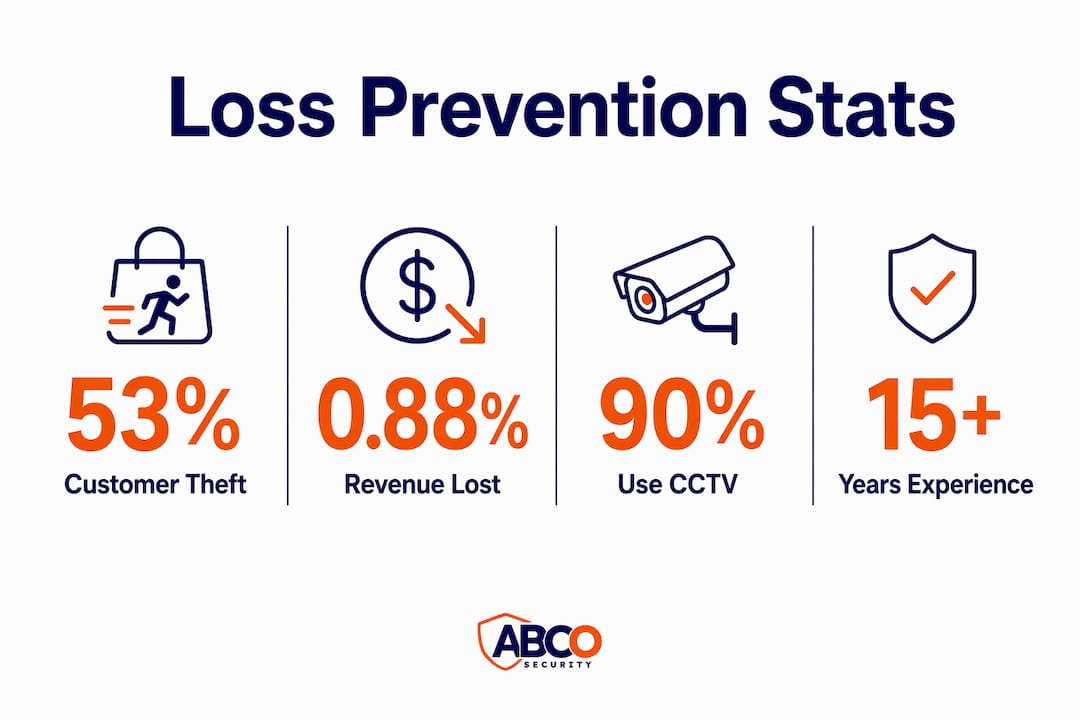
Customer theft accounts for 53% of retail shrinkage in Australia and New Zealand, with employee theft and fraud making up most of the remainder. A professional service addresses both categories simultaneously.
The practical benefits go beyond stopping individual incidents. A visible, trained security presence changes the risk calculation for would-be thieves before anything happens. Staff feel safer, which reduces turnover in high-pressure retail roles. Documented incident reports give insurers the evidence they need to process claims faster, and some insurers offer premium reductions for businesses with certified security programmes in place. Compliance with Australian industry standards also reduces legal exposure when incidents do occur.
What credentials should your provider hold?
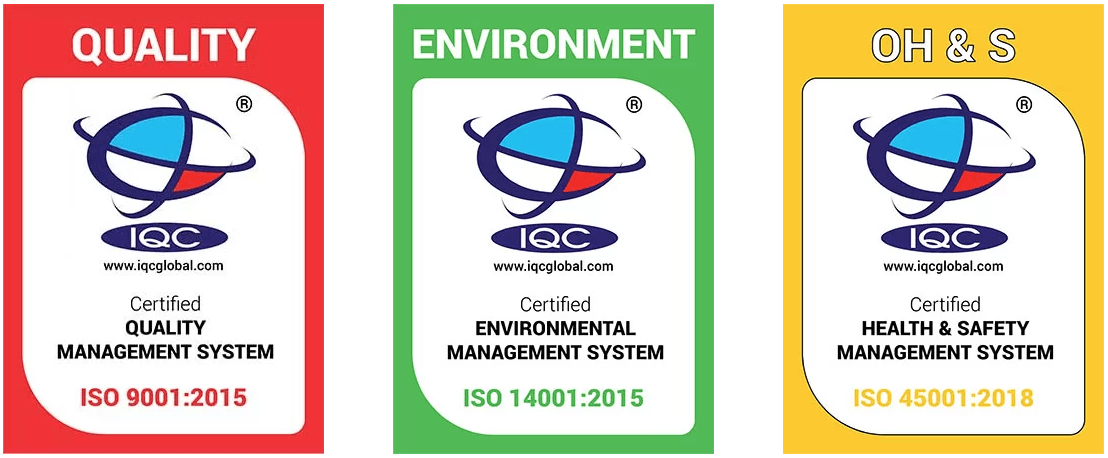
Quality signals matter enormously in this industry. Abcosecurity holds ISO 9001 and ISO 30000 certifications and employs licensed security professionals with over 15 years of operational experience, backed by 24/7 monitoring capability.
Key standard: ISO 9001 covers quality management systems; ISO 30000 addresses security management. Together, they indicate a provider operates to internationally benchmarked processes, not just local minimums.
When evaluating any provider, confirm:
- Current security industry licence issued by the relevant state authority
- ISO or equivalent quality certification
- Demonstrated retail-specific experience, not just general guarding
- 24/7 monitoring and incident response capability
Over 90% of Australian retailers already use CCTV and alarm systems, but technology without trained personnel and proper protocols delivers far less value than the combination.
How do you engage a provider and get ongoing support?
Most reputable providers start with a site assessment before quoting. They walk your floor, identify blind spots, review your current procedures, and map a solution to your actual risk profile rather than a generic template.

Pro Tip: Test a provider’s responsiveness before you sign anything. Call their support line outside business hours. A provider who can’t answer at 9 PM on a Tuesday is unlikely to deliver the incident response you need at 2 AM on a Saturday.
Ongoing support should include regular reporting, scheduled reviews of your security plan, and a clear escalation path when incidents occur. Abcosecurity structures its retail security engagements around continuous monitoring and client partnership, not a set-and-forget installation.
How is the industry responding to organised retail crime?
Retail crime costs the Australian economy AUD 9 billion annually, and the nature of that crime is shifting. Organised groups now target multiple stores systematically, making isolated security strategies less effective.
Industry shift: The Australian Retailers Association is calling for coordinated national action, including formal police liaison and legislative reform, as individual retailer responses prove insufficient against organised crime networks.
The National Retail Association recommends participation in Retail Crime Committees, which provide access to shared intelligence and emerging threat alerts across regions. Retailers who participate gain early warning of organised activity in their area. Technology integration, particularly AI-assisted CCTV analytics, is accelerating as part of this response.
How do you evaluate and choose the right provider?
Five criteria separate reliable providers from those who will underdeliver:
- Licensing and certification: Verify the licence number with your state’s security industry regulator
- Retail-specific experience: General guarding experience does not automatically translate to retail environments
- Technology integration: Can they install, monitor, and maintain your surveillance systems as well as provide personnel?
- Scalability: Can the service grow with your business or flex during peak trading periods?
- References: Ask for retail clients specifically, not just corporate or construction accounts
What does retail loss prevention cost?
Pricing models vary by service type. Static guarding is typically charged by the hour, with rates varying by state, time of day, and award classification. Electronic security installation carries an upfront project cost, followed by a monthly monitoring fee. Integrated programmes combining guarding and technology are usually structured as ongoing service agreements.
Avoid providers who quote a single flat rate without a site assessment. Accurate pricing requires knowing your floor area, trading hours, stock value, and existing infrastructure.
Questions to ask before you sign
- What is your response time for alarm activations at my site?
- How are your guards trained specifically for retail loss prevention?
- What reporting do I receive, and how often?
- Who is my account manager and how do I reach them after hours?
- How do you handle incidents that require police involvement?
Australian retailers do not have the legal right to compel bag searches, so ask how the provider trains staff to handle refusals and suspected theft without creating legal exposure.
Red flags to watch for
A provider who cannot produce a current licence number on request is an immediate disqualifier. Other warning signs: no written service level agreement, vague incident reporting processes, guards who are not briefed on your specific store before their first shift, and contracts with no performance review clauses. Pressure to sign quickly without a site visit is a reliable indicator that the service will be generic rather than tailored.

What should your contract and SLA include?
A sound service agreement covers response time commitments for alarm activations, minimum guard qualifications and training requirements, reporting frequency and format, escalation procedures for serious incidents, and clear termination clauses. SLAs should specify measurable outcomes, not just inputs. “Guards will be on site” is not an SLA. “Alarm response within 15 minutes, incident report delivered within 24 hours” is.
Review the contract annually and after any significant incident. Your security needs in a peak Christmas trading period differ from a quiet February, and your agreement should reflect that.
Abcosecurity protects your store from day one
Abcosecurity brings over 15 years of retail security experience, ISO-certified processes, and fully licensed personnel to every engagement. Where generic providers drop in a guard and walk away, Abcosecurity builds a property protection programme around your specific store, combining CCTV monitoring, access control, mobile patrols, and loss prevention strategy into one managed solution.
The difference shows up in the detail: a site assessment before any quote, 24/7 monitoring with documented incident response, and an account manager you can actually reach. Contact Abcosecurity today for a tailored retail security assessment.
Key takeaways
Professional retail loss prevention services combine licensed personnel, certified technology, and ongoing support to protect Australian retailers from theft and shrinkage.
| Point | Details |
|---|---|
| Scale of the problem | Australian and New Zealand retailers lose an average of 0.88% of revenue to theft, equating to AUD 4.29 billion annually. |
| Technology alone is insufficient | Over 90% of retailers use CCTV, but effectiveness depends on trained personnel and clear protocols working alongside the technology. |
| Certifications matter | Providers holding ISO 9001 and ISO 30000 certifications operate to internationally benchmarked standards, not just local minimums. |
| Organised crime is escalating | Retail crime costs the Australian economy AUD 9 billion annually, driving a shift toward collaborative, intelligence-sharing models. |
| Abcosecurity | Delivers integrated retail loss prevention combining licensed guards, 24/7 monitoring, and ISO-certified processes tailored to your store. |
FAQ
What are retail loss prevention services?
Retail loss prevention services are integrated security solutions combining licensed guards, CCTV monitoring, access control, and risk management strategies to reduce theft and protect retail assets.
How much does retail theft cost Australian businesses?
Australian and New Zealand retailers lose an average of 0.88% of revenue to theft, totalling approximately AUD 4.29 billion annually, with customer theft accounting for 53% of shrinkage.
Can security guards search customer bags in Australia?
No. Australian retailers and their security personnel cannot compel a bag search; they can only request consent. Refusal is lawful, and the correct response is de-escalation and police notification if theft is suspected.
What certifications should a loss prevention provider hold?
Look for a current state security industry licence, ISO 9001 quality management certification, and ISO 30000 security management certification. Abcosecurity holds both ISO standards and employs fully licensed professionals.
How do I get started with Abcosecurity’s retail security services?
Contact Abcosecurity directly for a site assessment. They evaluate your store’s specific risk profile and build a tailored loss prevention programme covering guarding, monitoring, and technology integration.
Recommended
about
avada factory
Sempery ultricies nibh at dolor cras urna eleifend nec. Atiam efficitur tempor.